I step into these digital worlds like a traveler lost in a dream, where every button press feels like a brushstroke painting my own story. As 2025 unfolds, indie games have become my sanctuary, weaving tales where my choices don't just guide the narrative—they sculpt it, piece by piece. It's pure magic, a feeling that hits you right in the gut, making you realize no other art form can match this raw, interactive dance. I often find myself reminiscing about nights spent hunched over my screen, the glow casting shadows as I ponder decisions that ripple through pixels and emotions. Honestly, it's mind-blowing how these gems transform simple interactions into profound journeys, leaving me breathless with their subtle brilliance. 🎮
Take The Stanley Parable, for instance. Playing it feels like a cosmic joke, where I'm constantly fooling myself into believing I have free will, only to uncover the game's clever illusion. Reaching those unexpected endings by stringing together futile choices—it’s a wild ride that reinforces how powerless we truly are in predetermined worlds. I laughed, I cried, and it left me questioning reality in a way that's downright eerie. It's not your typical choice-driven game, but man, does it pack a punch. 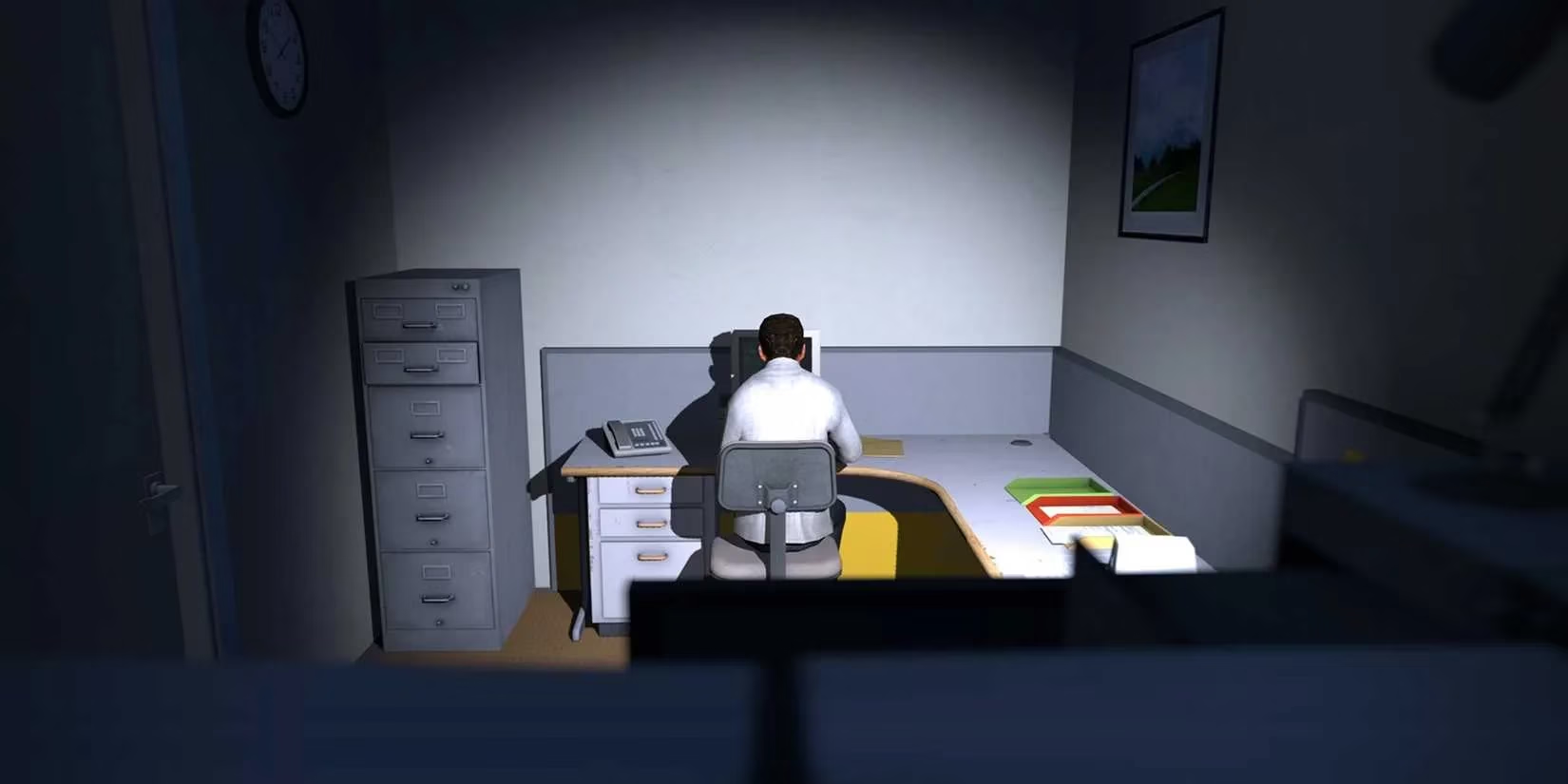
Then there's Reigns, a game that’s as addictive as your morning coffee. Swiping left or right to shape a kingdom might seem simple, but it’s a masterclass in subtlety, blending accessibility with layers of complexity. I've sunk hours into it on my phone, each decision making me weigh morality against survival. It’s low-key genius how it turns a few lines of text into a gripping saga—totally rad for those moments when you need a quick mental escape. 
Undertale? Oh, that one’s a heartbreaker. I remember the first time I spared a monster instead of fighting; the emotional weight hit me like a ton of bricks. With endings that branch into hundreds of variations from tiny, innocuous choices, it’s a testament to how every secret uncovered or character forgiven shapes the journey. Playing it feels like walking through a delicate dream, where forgiveness and violence collide in ways that stick with you long after the credits roll. 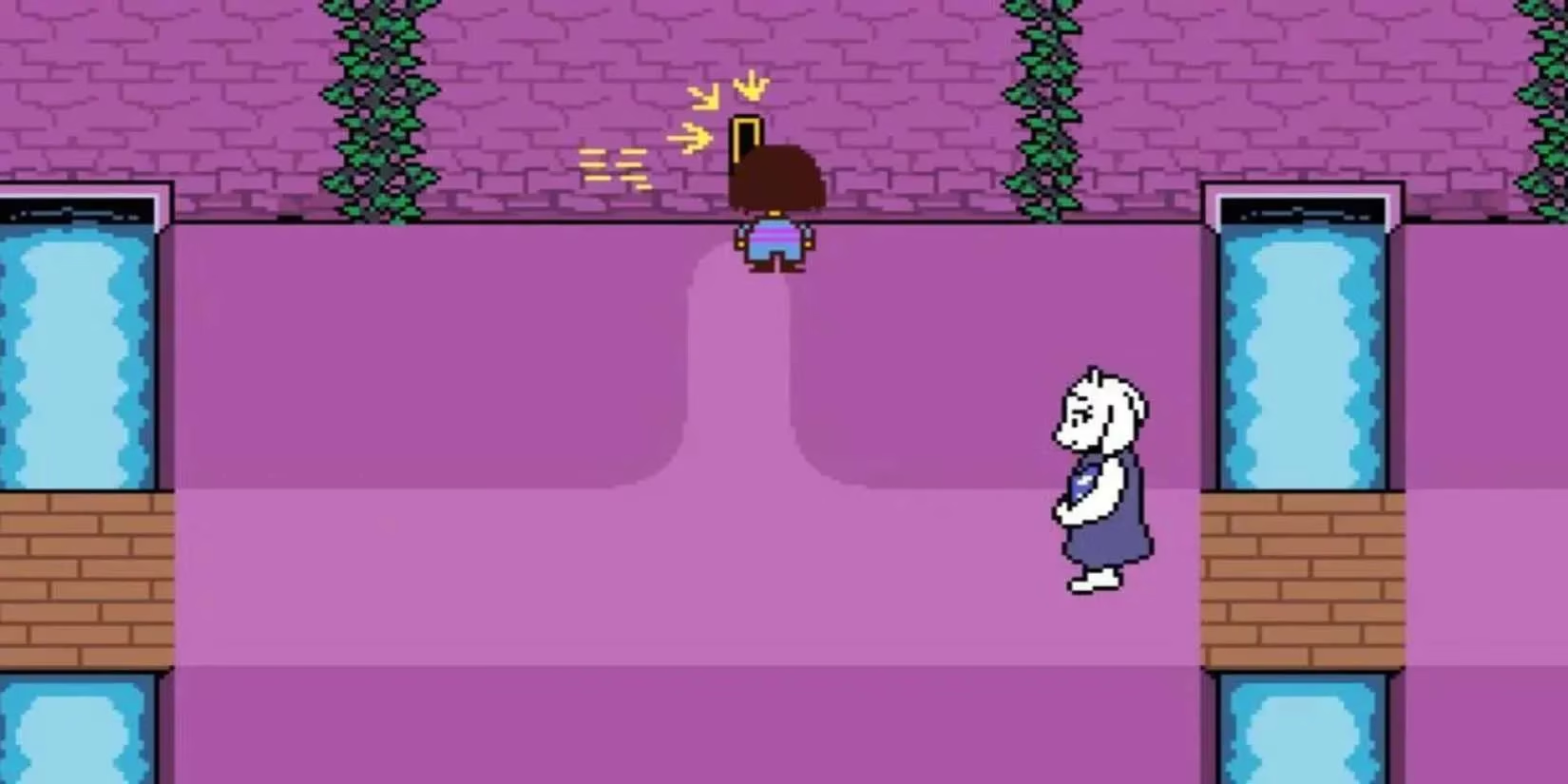
Now, Oxenfree—it blew me away. As a thriller built on dialogue, it defies stereotypes with characters so real I felt like I was chatting with old friends. The dynamic conversations pull you in, making each word choice crucial to unraveling its supernatural mystery. I played it later in life, but dang, it left its mark, haunting me with the what-ifs of alternative paths. It’s a perfect blend of charm and chills that keeps you coming back for more. 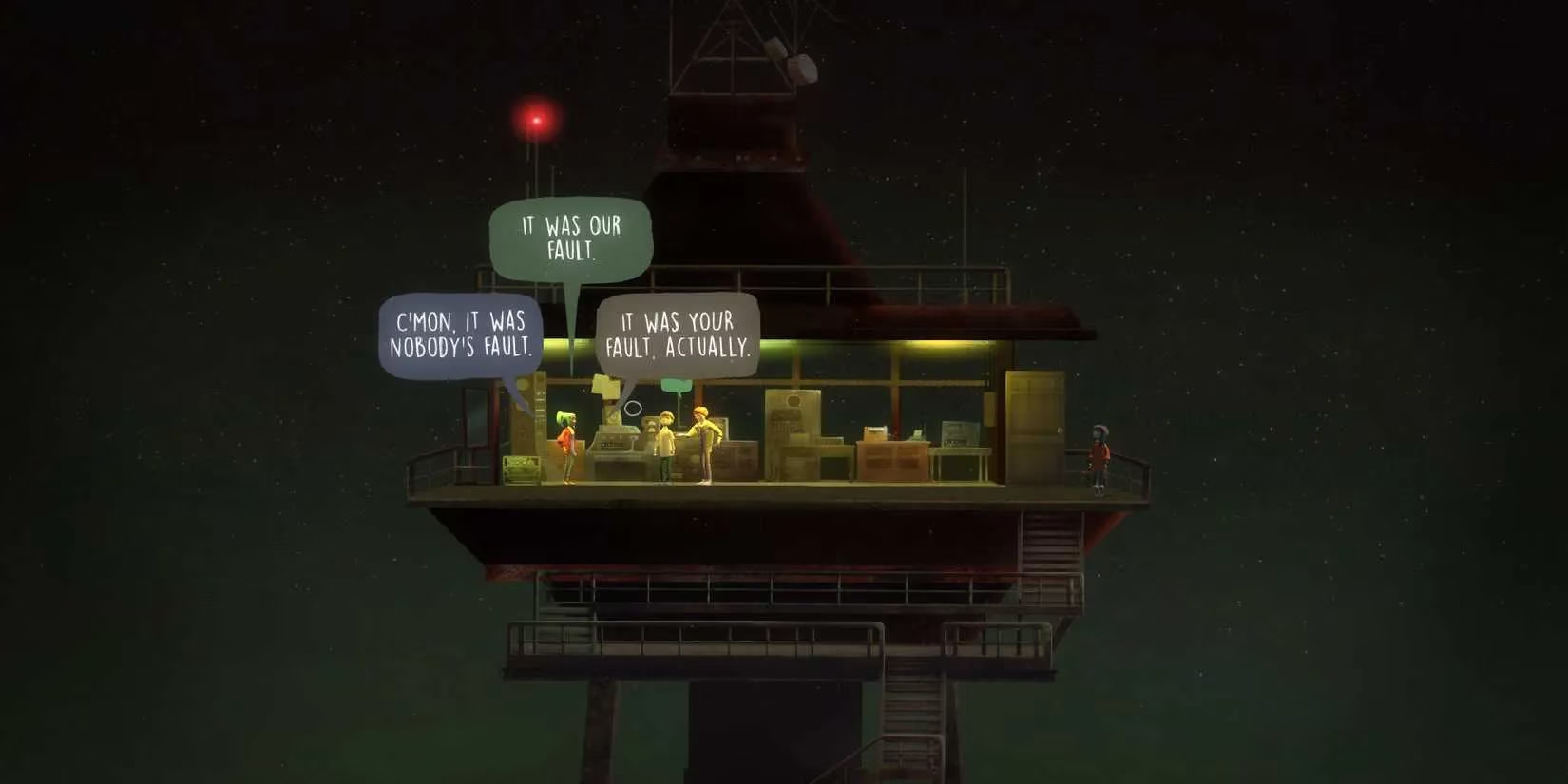
Sundered taught me that choices aren’t just in words—they’re in every slash and dodge. Breaking my moral compass to gain power was a gut-wrenching experience; it felt like selling my soul just to survive the Metroidvania chaos. The game’s brilliance lies in how it makes you compromise in real-time, adding a layer of despair that’s way more intense than any dialogue tree. It’s a game-changer for showing that agency is woven into gameplay itself. 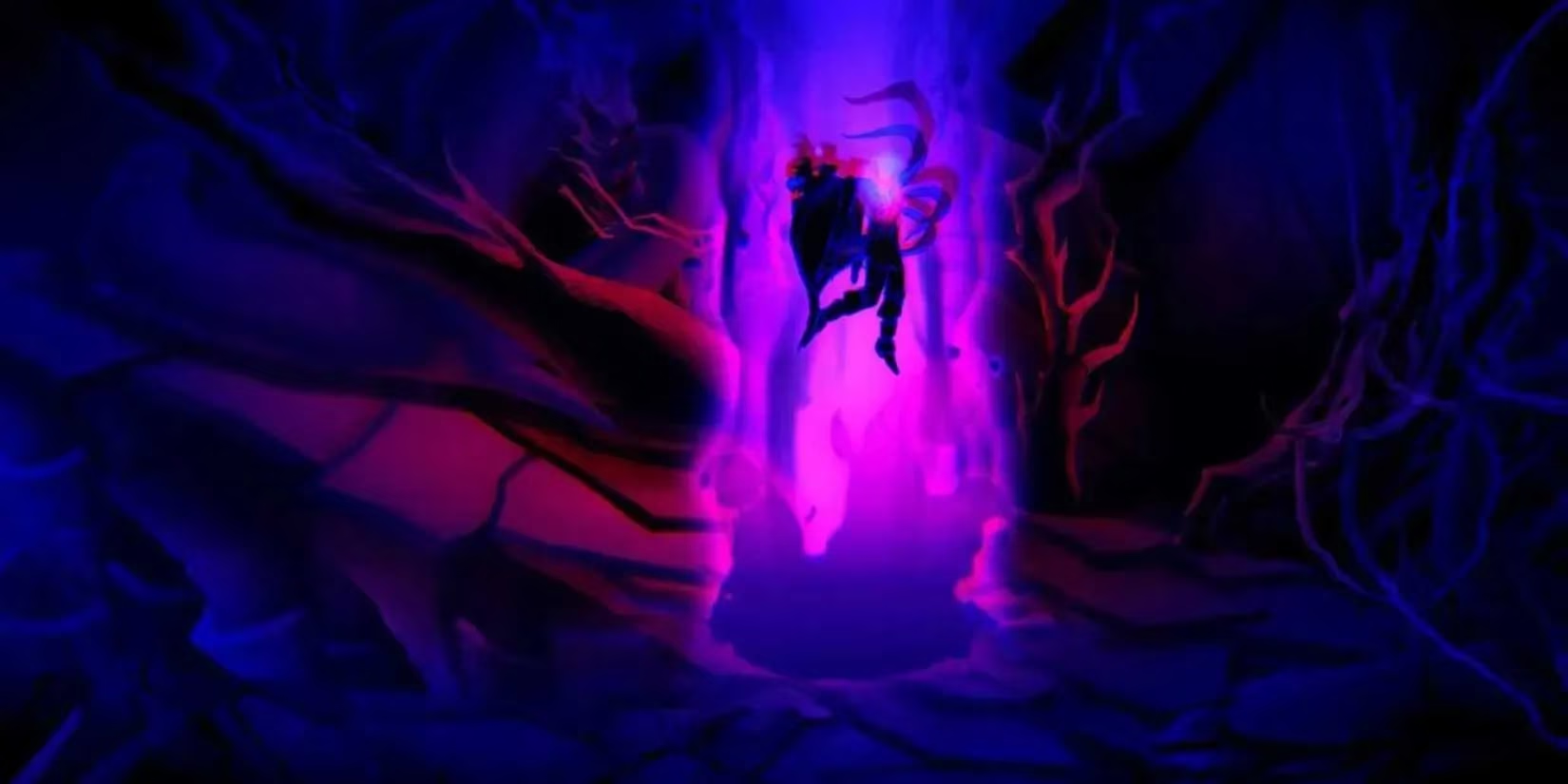
Papers, Please is a whole different beast. As a customs agent, I faced daily dilemmas between family and country, with newspapers and stats revealing the cold consequences of my actions. Letting in refugees or taking bribes—each choice felt like a punch to the gut, leaving scars that don’t fade. It’s a stark reminder that sometimes, the simplest mechanics deliver the heaviest emotional blows. 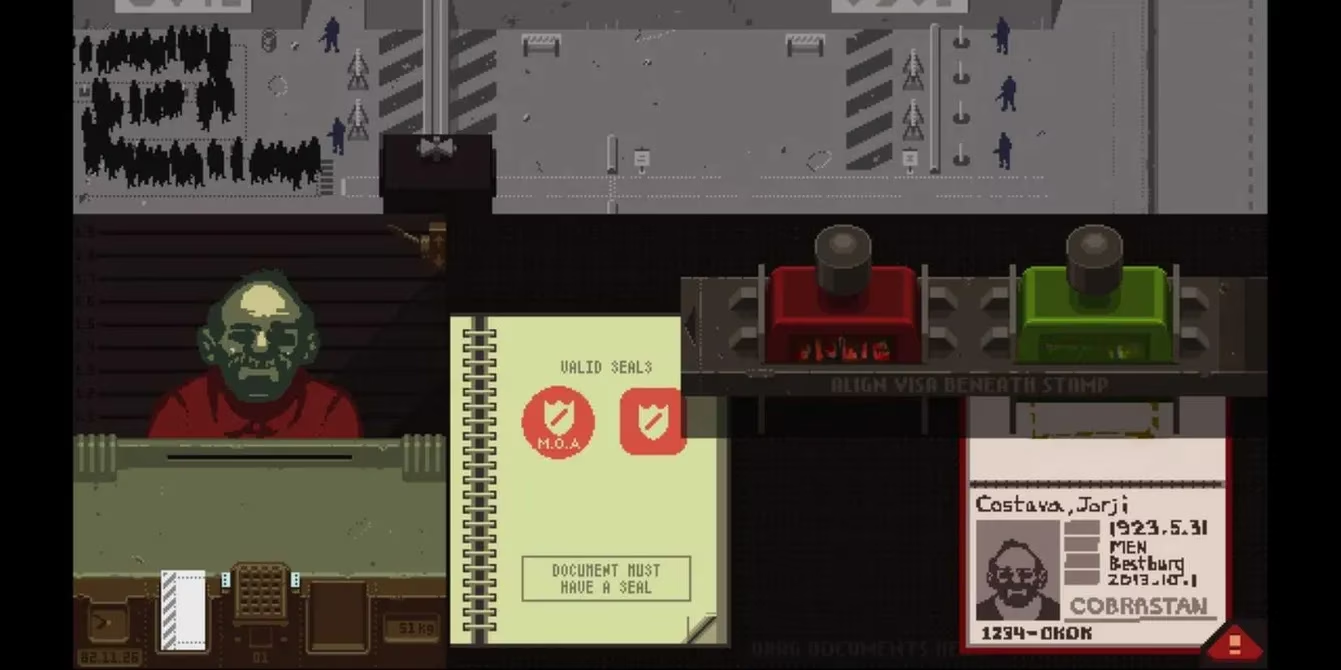
The Cosmic Wheel Sisterhood had me hooked with its political intrigue. Crafting tarot cards and diving into dialogues felt like navigating a minefield of real-world issues, where every word could spark a revolution. I spent hours introspecting, blown away by how the game mirrors our own society. It’s a heavy hitter that makes you think on your feet, with outcomes that dazzle and provoke. 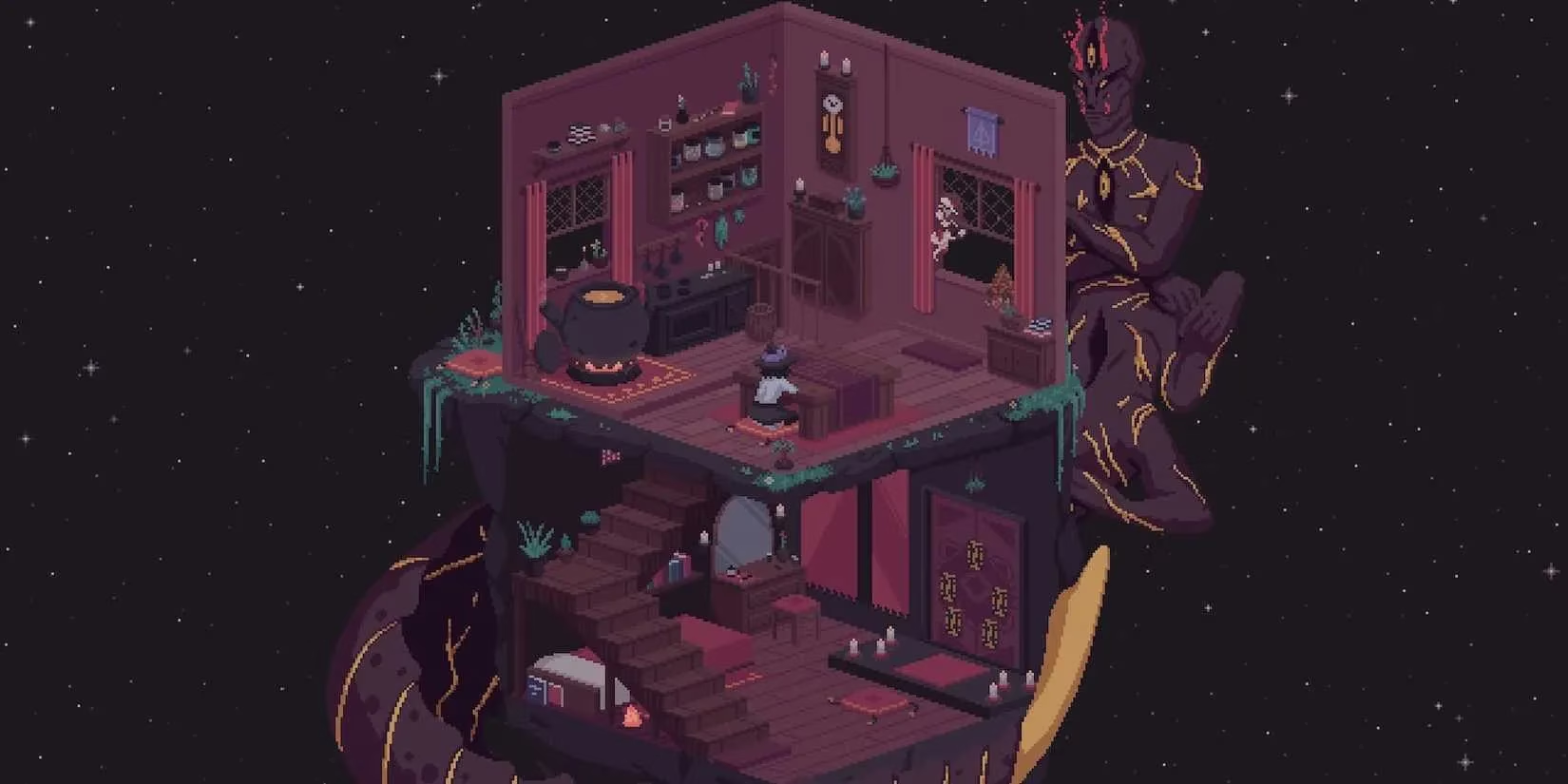
Road 96 took me on a journey that’s all about the ride, not the destination. Its roguelike elements blended with narrative choices created a tapestry of emotions—joy, sorrow, and everything in between. I connected deeply with characters through mechanics that felt organic, making each replay a fresh adventure. The soundtrack and art? Chef’s kiss! It’s a gem that proves the path matters more than the end. 
Pentiment stands as Obsidian’s magnum opus in my book. Andreas Maler’s story in Tassing felt like living history, with choices that forced me to analyze events as if they were my own life. Replaying it revealed layers of perspectives and outcomes I never saw coming—it’s a must for appreciating its richness. The art alone is jaw-dropping, making every frame a masterpiece. 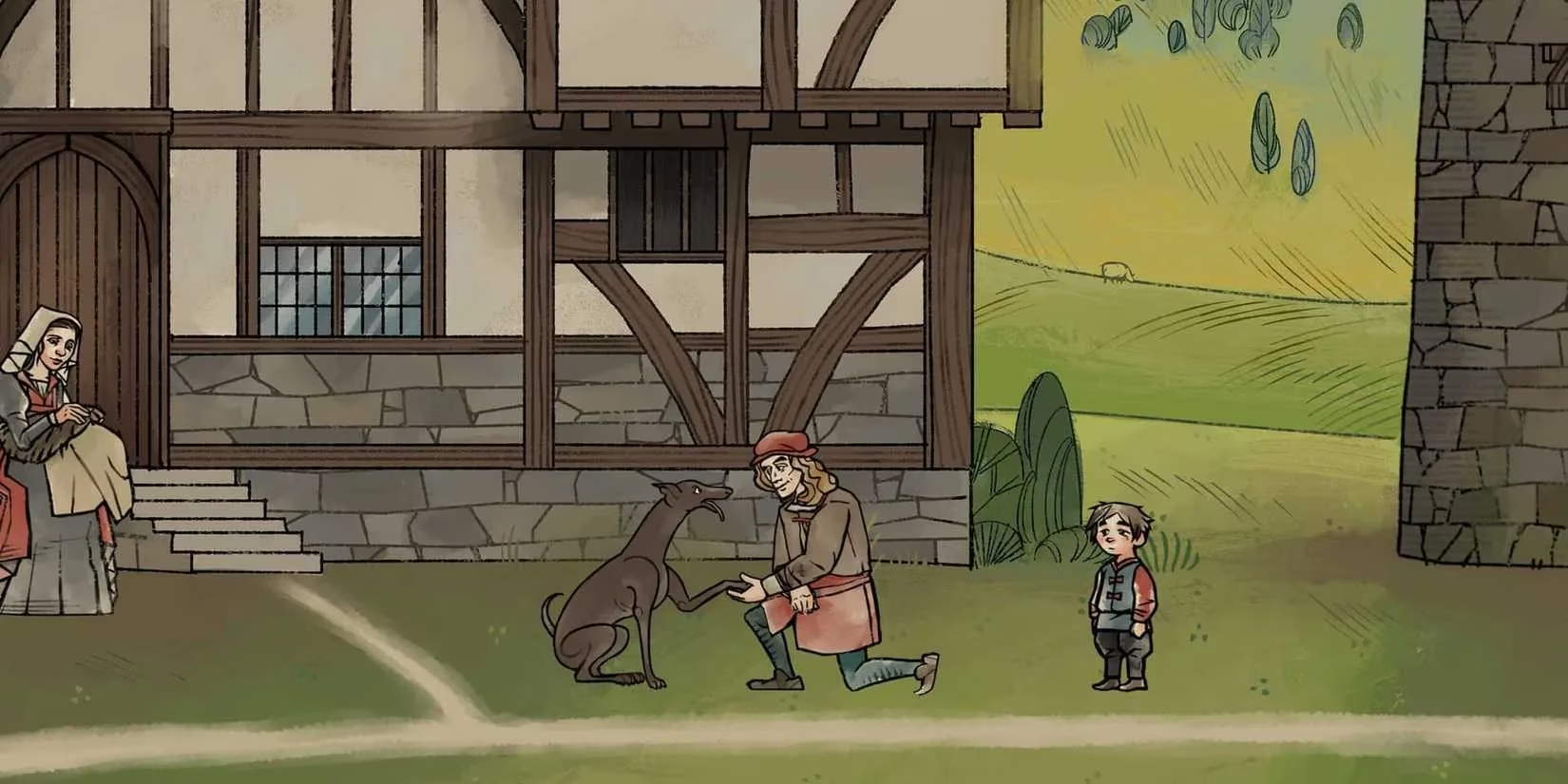
And Disco Elysium—wow, it’s the crown jewel. As a mirror to my own complexities, navigating Martinaise felt like confronting my inner demons. With millions of lines ensuring no two playthroughs are alike, it’s a universe where every choice, big or small, reshapes the narrative. I’ve played it three times and still feel like I’ve barely scratched the surface. It’s a no-brainer that this game redefines what RPGs can achieve. 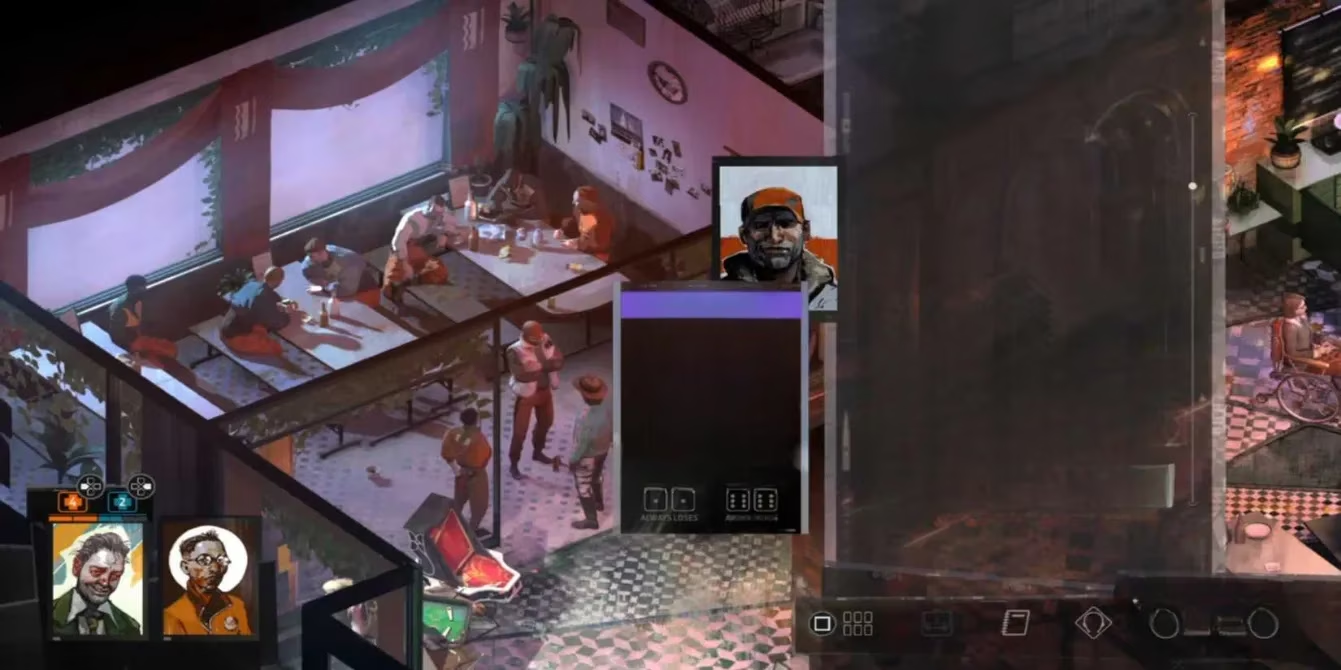
As I reflect on these worlds, I can't help but wonder: in 2025, as we craft our digital destinies, do these choices echo our real struggles, or are they just a sweet escape? The line blurs, leaving us to ponder what it truly means to hold the reins. 🤔
Leave a Comment