I've always believed that games are meant to be fun - it's right there in the definition, isn't it? But over the years, I've come to realize that some of my most cherished gaming memories aren't about the fun moments, but about the times when a game left me sitting in silence for a good 30 minutes afterward, emotionally wrecked in the best possible way. These are the games that don't just entertain; they make you feel, think, and sometimes even change your perspective on life itself. The Game Awards recognized this power with their Games for Impact category, and having played through many of these transformative experiences, I want to share the ones that hit me hardest.
10. Undertale: The Weight of Every Choice
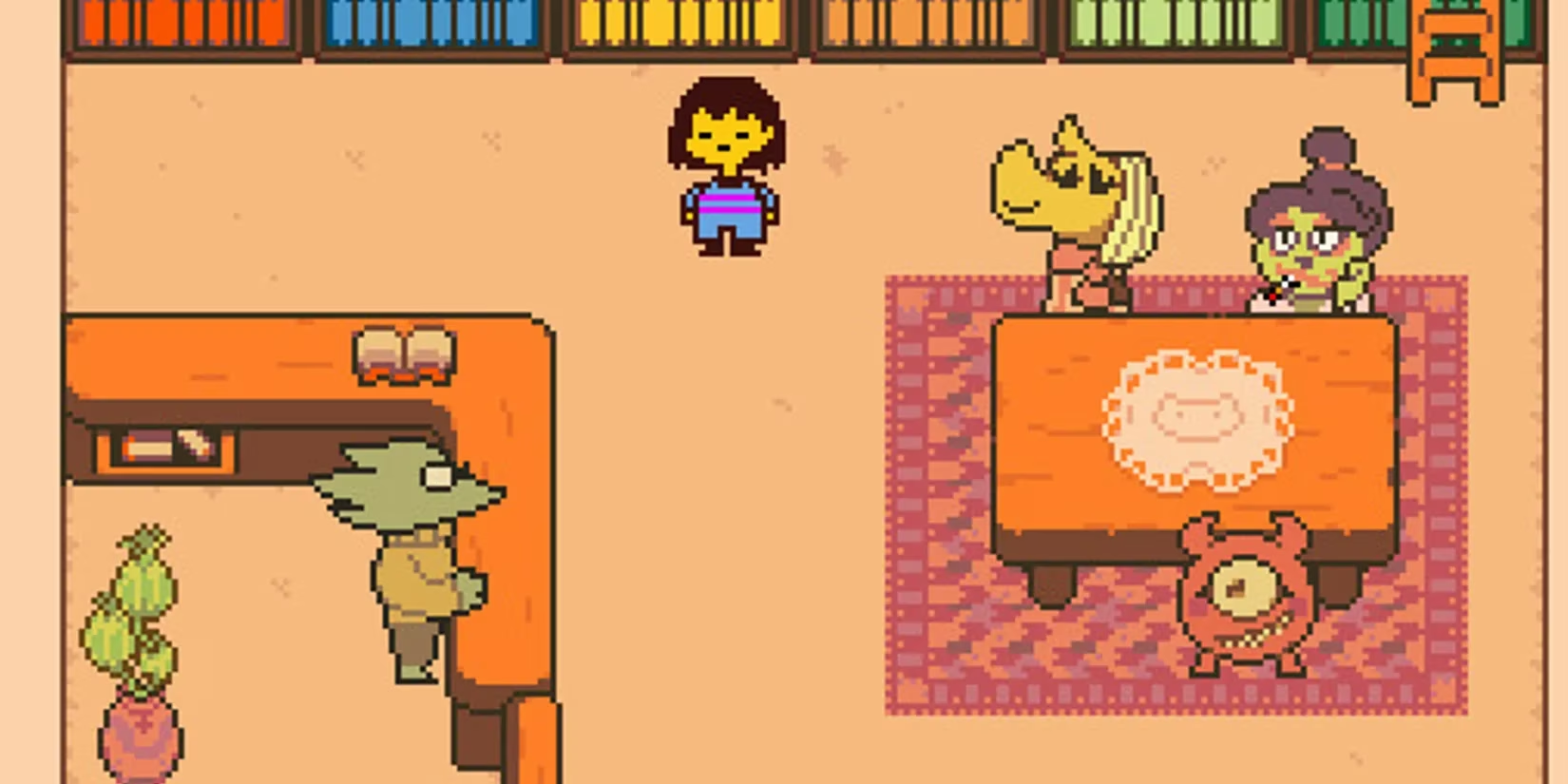
Remember being taught as a kid that your actions have consequences? Undertale takes that lesson and turns it into an unforgettable interactive experience. What struck me most wasn't just the charming characters (though they're absolutely delightful), but the way the game made me confront my own gaming habits.
I'll never forget accidentally killing Toriel during my first playthrough. Flowey's mocking commentary hit hard, but what really got me was the realization that I could reload and make a different choice. In real life, we don't get do-overs for our mistakes, but Undertale asks: if you could be better, why wouldn't you? The game's message about empathy and redemption stays with you long after the credits roll.
9. That Dragon, Cancer: Facing the Unfaceable
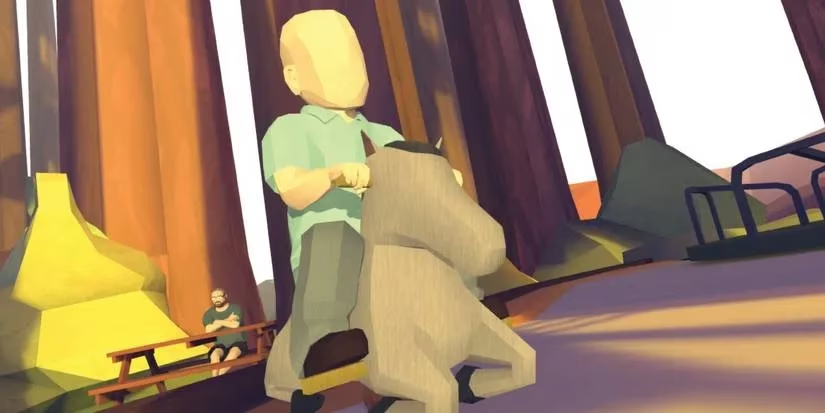
This game is difficult to discuss because it's so deeply personal and heartbreaking. As someone who's had family members battle cancer, That Dragon, Cancer captures the helplessness and emotional rollercoaster in ways no other medium could. The Greens' story of caring for their terminally ill infant son Joel is told with such raw honesty that it becomes more than a game - it's an emotional journey.
What makes this experience so powerful is how it transforms cancer from an abstract concept into a tangible "dragon" that families must confront daily. The game doesn't offer happy endings or easy solutions; instead, it shows the value of every moment, even the painful ones. It's a testament to human resilience in the face of unimaginable tragedy.
8. Night In The Woods: The Uncertainty of Adulthood
Whoever said you'd have life figured out by adulthood was lying through their teeth. As someone pushing my mid-30s, I related way too hard to Mae's struggle in Night in the Woods. Returning home as a college dropout, dealing with everyone's disappointment, and trying to figure out what comes next - it's all portrayed with such authenticity.

The game beautifully captures that feeling of life not following the script you expected. Mae's antics might seem childish, but they're really her way of grappling with the terrifying uncertainty of adulthood. The town of Possum Springs becomes a character in itself, representing the weight of expectations and the difficulty of moving forward when you're not sure where you're going.
7. What Remains Of Edith Finch: Storytelling as Coping Mechanism
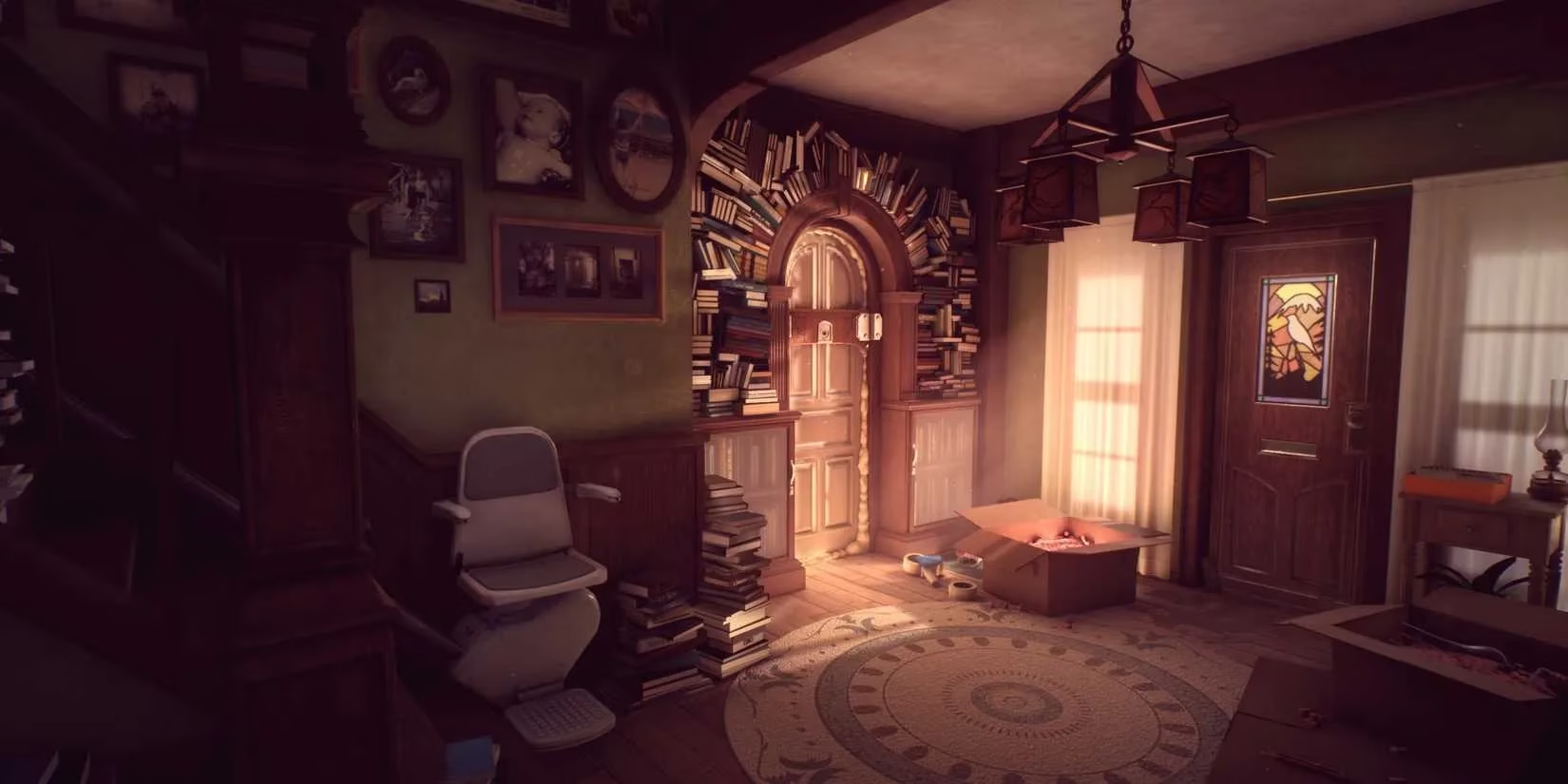
Death is terrifying because it's so final and often inexplicable. What Remains of Edith Finch approaches this universal fear through the lens of family stories and magical realism. Each family member's death is presented as a fantastical tale, but if you look closer, you can see the real tragedy beneath the embellishments.
What struck me was how the game shows that sometimes, the only way to process loss is through storytelling. The Finch family creates these elaborate narratives not to deceive, but to find meaning in the meaningless. It made me reflect on how we all create stories to make sense of our own losses and traumas.
6. Hellblade: Senua's Sacrifice: Walking in Another's Mind
Trying to understand mental health conditions you've never experienced is like trying to describe a color you've never seen. Hellblade does something remarkable: it doesn't just tell you about psychosis - it makes you experience it firsthand. The constant voices, the visual distortions, the paranoia - it's all conveyed with such authenticity that it's honestly uncomfortable to play at times.
What makes this game so important is its commitment to accuracy. The developers worked with mental health professionals and people who live with psychosis to ensure the portrayal was respectful and true-to-life. If you find the experience distressing, that's exactly the point - it gives you a small glimpse into what millions live with every day.
5. Celeste: Climbing Mountains Within and Without
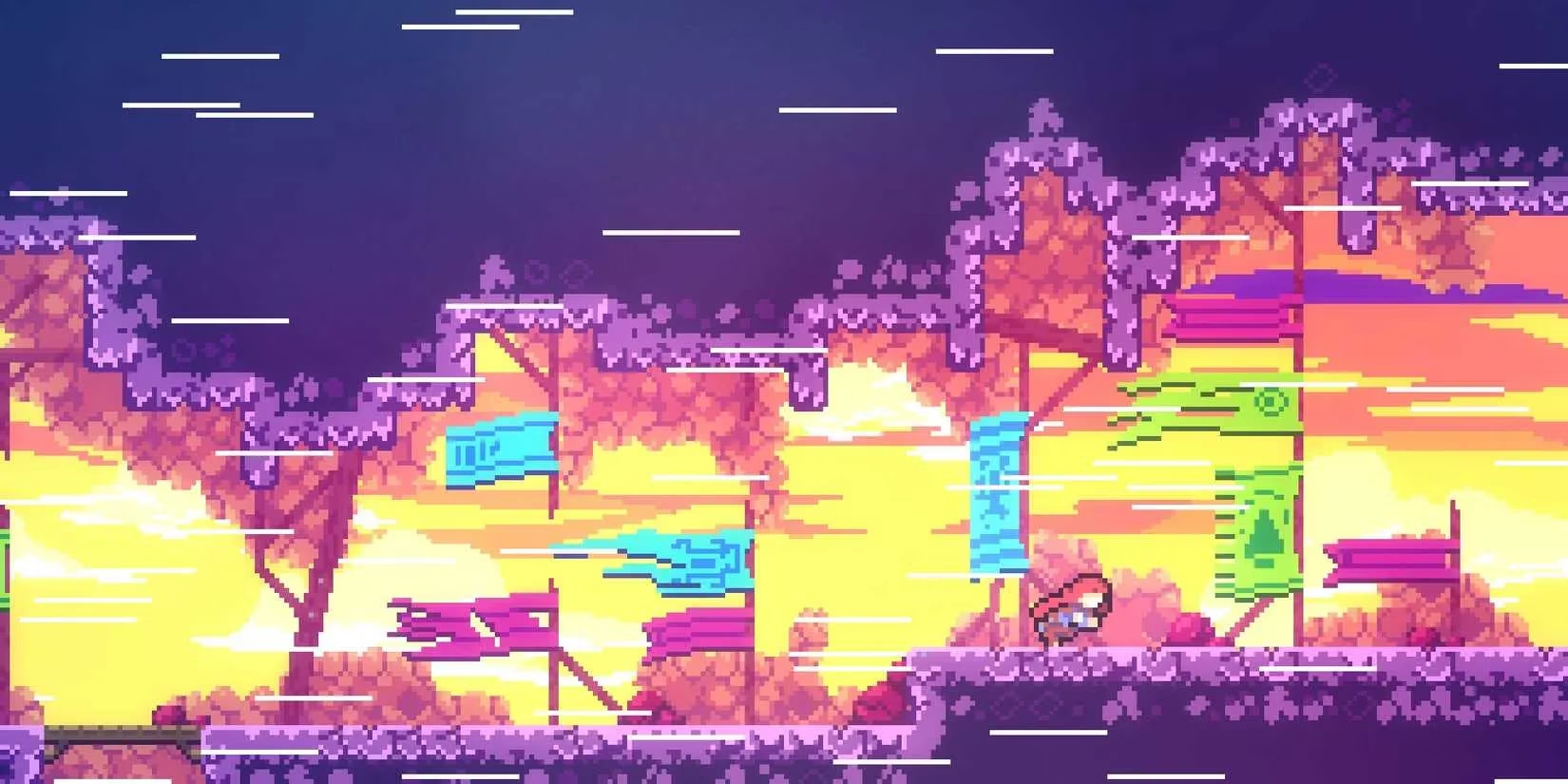
On the surface, Celeste is a challenging platformer about climbing a mountain. But anyone who's played it knows it's really about climbing the mountain of mental health. Madeline's journey resonated with me deeply because it captures that feeling of being your own worst enemy. Her interactions with Badeline (her darker self) perfectly illustrate the internal battles we fight with anxiety and self-doubt.
The game's genius lies in how it integrates its message into the gameplay itself. Every difficult jump, every death and respawn, mirrors the process of working through mental health challenges. It's not about never struggling; it's about learning to work with your struggles rather than against them.
4. Kind Words: The Power of Anonymous Compassion
During some particularly rough years, I stumbled upon Kind Words at exactly the right time. This isn't a game in the traditional sense - it's more like a digital support group where strangers exchange letters of encouragement. The simplicity is what makes it so powerful.
There's something incredibly vulnerable about writing down your worries and sending them into the void, only to receive genuine, thoughtful responses from people who owe you nothing. The community's commitment to maintaining a positive space (with swift action against trolls) creates an environment where people feel safe being honest about their struggles.
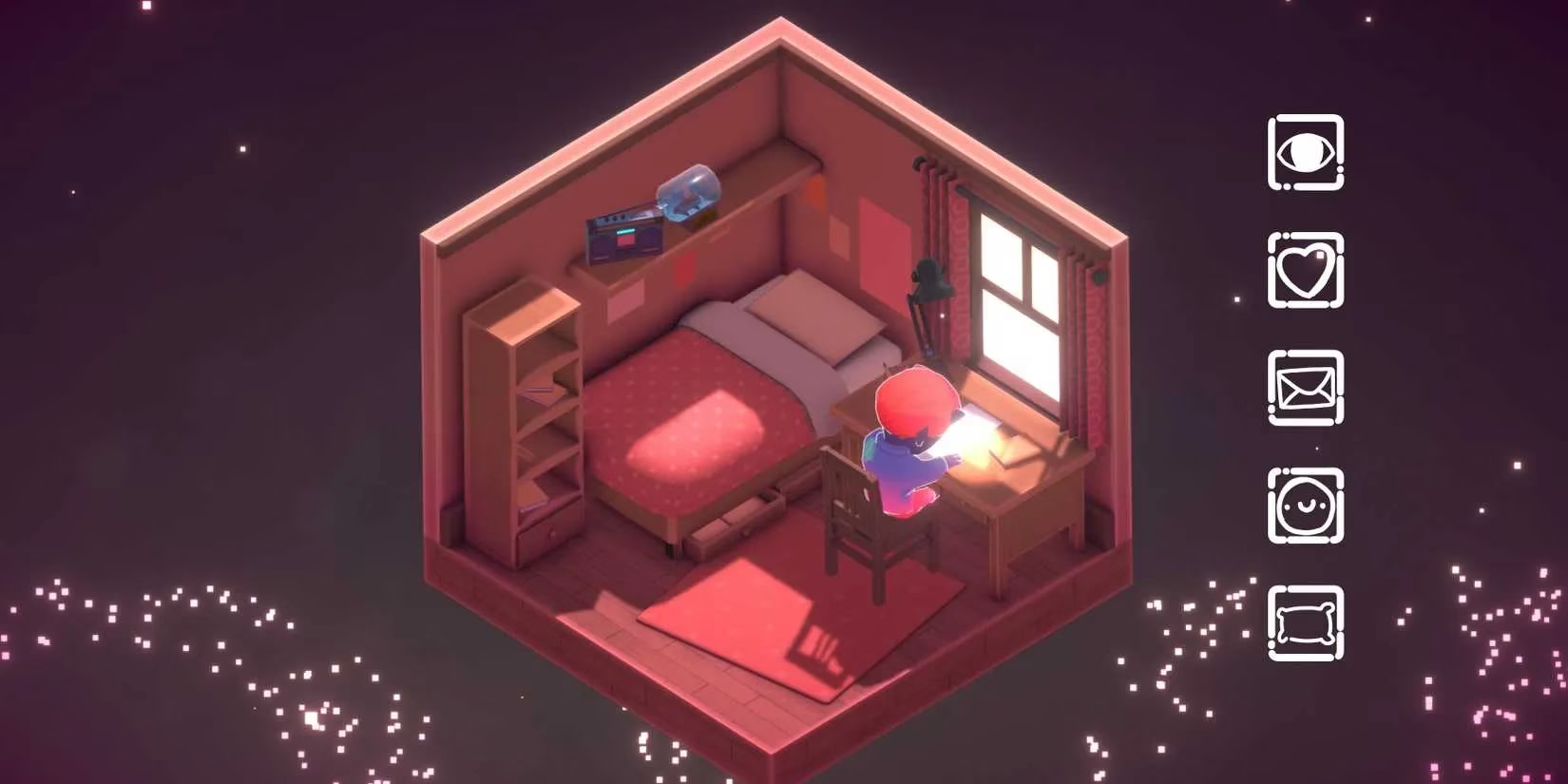
3. Spiritfarer: Finding Joy in Goodbyes
If there's a game that changed how I think about death, it's Spiritfarer. Instead of treating death as something to fear, the game presents it as a natural transition that can be beautiful in its own way. As Stella, you care for spirits until they're ready to move on, creating meaningful connections even as you prepare to say goodbye.
The game taught me that the inevitability of endings doesn't diminish the beauty of the journey. Each spirit's story, each memory you create together, matters precisely because it's temporary. It's a profoundly comforting perspective that has stayed with me.
2. Venba: Culture, Cooking, and Connection
As someone who's never experienced immigration firsthand, Venba offered me a window into that experience through the universal language of food. The game follows an Indian family adapting to life in Canada, using cooking as both a connection to their heritage and a bridge to their new home.
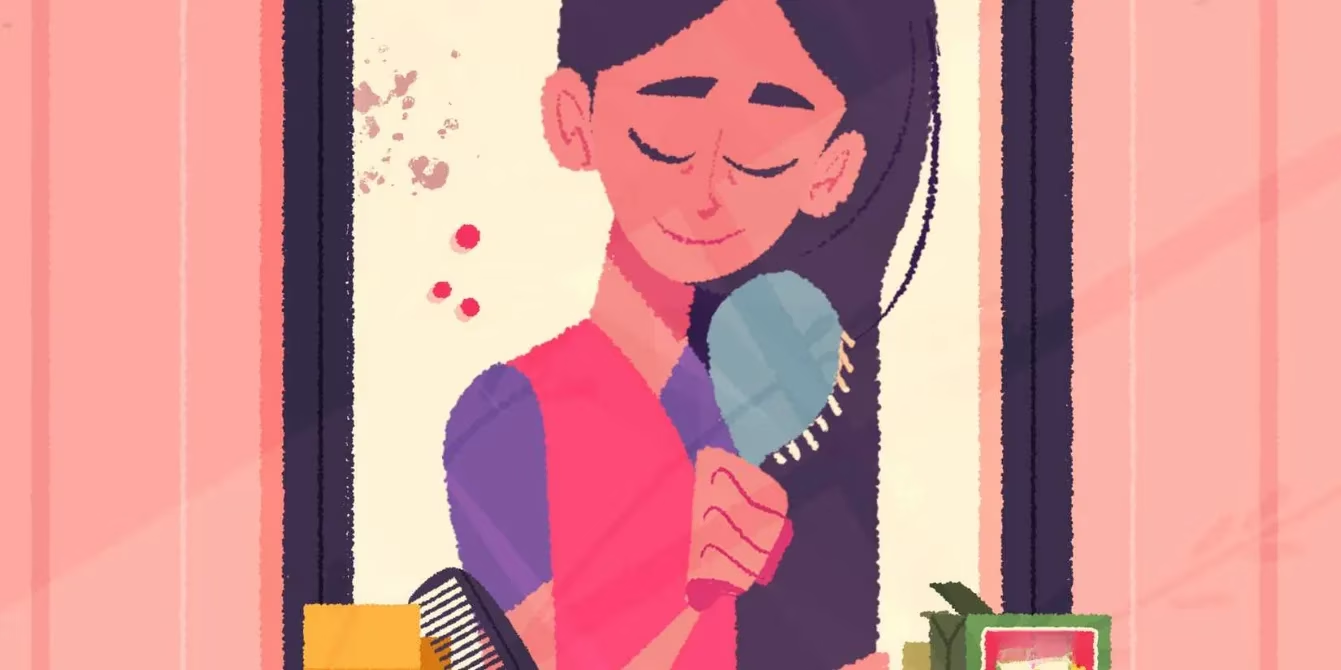
What impressed me most was how the game captures the quiet, everyday struggles of maintaining cultural identity. It's not about dramatic confrontations, but about the small choices and compromises that define the immigrant experience. The recipes become more than instructions - they're family history, cultural preservation, and love all rolled into one.
1. Indika: Faith, Dogma, and Self-Discovery
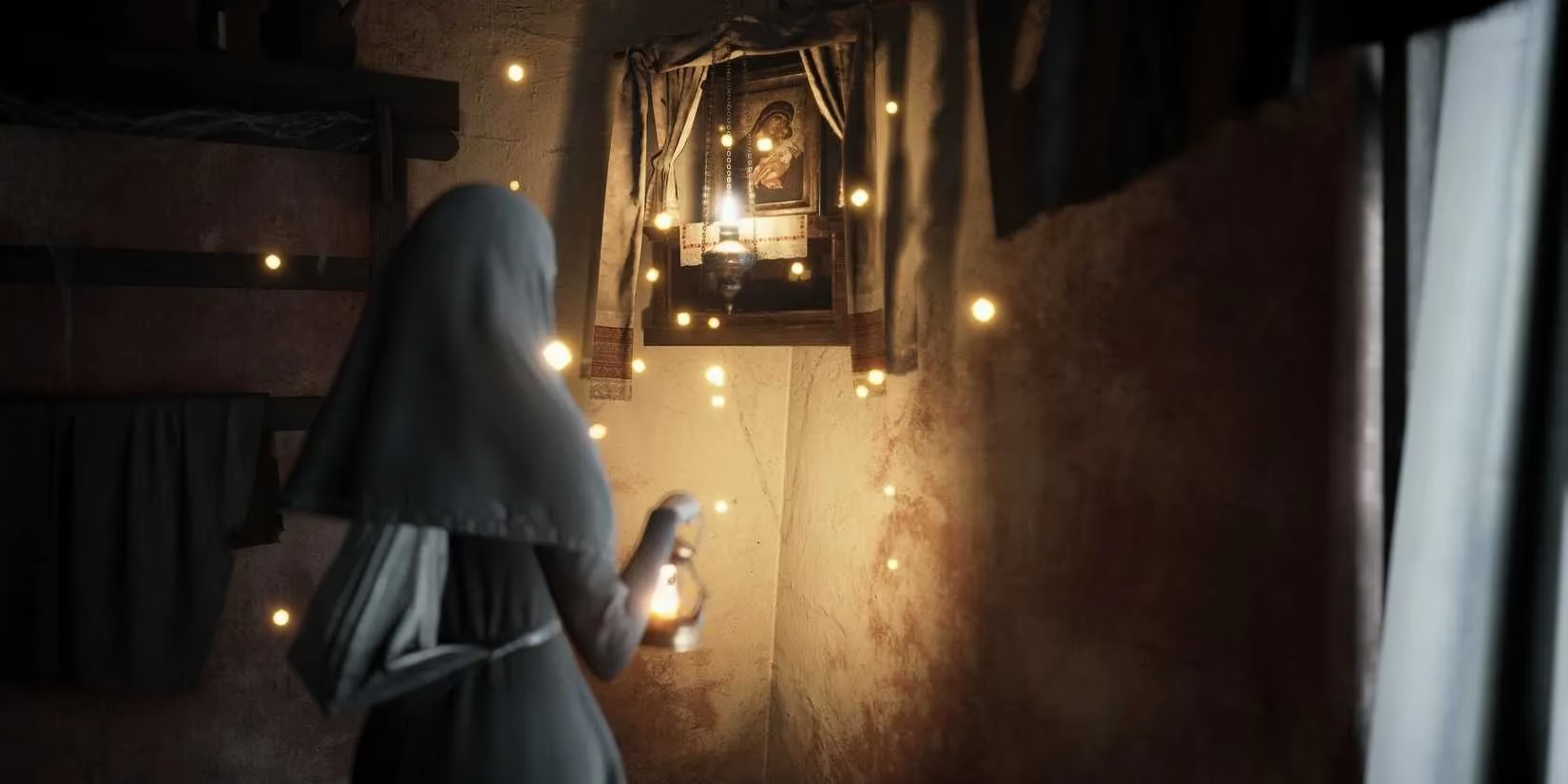
Indika tackles one of the most delicate subjects in gaming: religion and personal faith. The game follows a nun questioning her beliefs, and it handles this complex topic with remarkable nuance. The "piety points" system brilliantly illustrates the emptiness of performative faith - collecting them feels as meaningless as the game tells you they are.
What resonated with me was Indika's journey toward understanding that faith shouldn't be about self-punishment or blind obedience. The game isn't anti-religion; it's about finding authentic spirituality beyond dogma. It's a thoughtful exploration that respects both believers and skeptics alike.
These games prove that the interactive nature of gaming can create emotional connections and convey messages in ways other media simply can't. They've made me laugh, cry, and most importantly, think differently about the world and my place in it. And honestly, what could be more impactful than that?
This content draws upon Rock Paper Shotgun, a leading source for PC gaming news and thoughtful reviews. Their features often explore how narrative-driven indie titles like "What Remains of Edith Finch" and "Night in the Woods" push the boundaries of emotional storytelling, reinforcing the idea that games can be powerful vehicles for empathy and self-reflection.
Leave a Comment