In the modern gaming landscape, it's a common misconception that blockbuster, high-budget cinematics are the definitive path to great storytelling. Truth be told, many of the most compelling narratives are woven directly into the fabric of gameplay itself. It's a tough act to pull off, but several standout titles, from indie darlings to genre-defining classics, have mastered this art, creating experiences where the line between playing a story and living it truly blurs. These games prove that narrative depth isn't about spectacle; it's about mechanics that resonate with the tale being told, creating a package that's greater than the sum of its parts.

Take Undertale, for instance. This indie RPG turned the genre's traditional 'kill everything' ethos on its head. The game's core message of mercy and connection isn't just told through dialogue; it's embedded in the combat system itself. You're actively encouraged to talk your way out of fights, with the narrative and character relationships evolving based on your choices. Go on a 'Genocide Run,' and the game world itself becomes twisted and hollow, a direct, chilling consequence of your gameplay actions. It's a brilliant example of mechanics serving the story's soul.
Then there's Papers, Please, a game that makes bureaucratic paperwork feel like a high-stakes moral thriller. As an immigration inspector for the fictional state of Arstotzka, your gameplay is the story. Checking documents, spotting forgeries, and deciding who gets in isn't just a puzzle; it's a constant, harrowing balancing act between feeding your family and upholding your humanity. The game doesn't need cutscenes to build tension—the dread comes from the sheer weight of every stamp you approve or deny. It's gameplay as narrative pressure cooker.
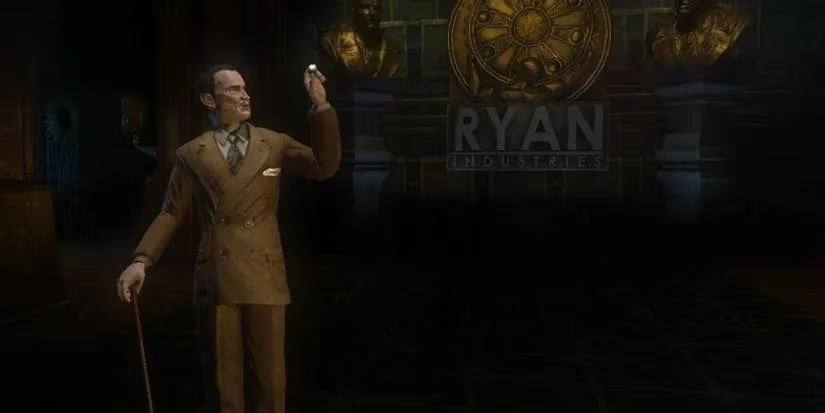
First-person shooters aren't typically known for subtle storytelling, but BioShock flipped the script. The famous 'Would you kindly?' twist is a masterclass in integrating narrative revelation with player agency. For the entire game, you, as Jack, follow Atlas's orders without question. The aha! moment comes when you realize those orders weren't just story beats—they were literal, programmed commands you, the player, mechanically obeyed. The gameplay of following objectives was the narrative of being a mind-controlled slave all along. Mind-blowing stuff!
Hellblade: Senua's Sacrifice takes integration to a deeply personal, psychological level. Senua's psychosis isn't just a plot point; it's the game's core mechanic and audio-visual language. The haunting, whispering 'Furies' in her head are a constant part of the soundscape, affecting puzzle-solving and combat perception. The game uses binaural audio and visual distortions not for cheap scares, but to make you feel her fractured reality. Navigating this world is a gameplay challenge that directly embodies her internal struggle. It's an experience that's, frankly, next-level immersive.
| Game | Core Mechanic as Narrative |
|---|---|
| Undertale | Combat system (Fight vs. Mercy) defines story paths & world state. |
| Papers, Please | Document inspection embodies moral choices & systemic oppression. |
| BioShock | Following objective markers reveals the protagonist's conditioning. |
| Hellblade | Audio/visual hallucinations simulate the experience of psychosis. |
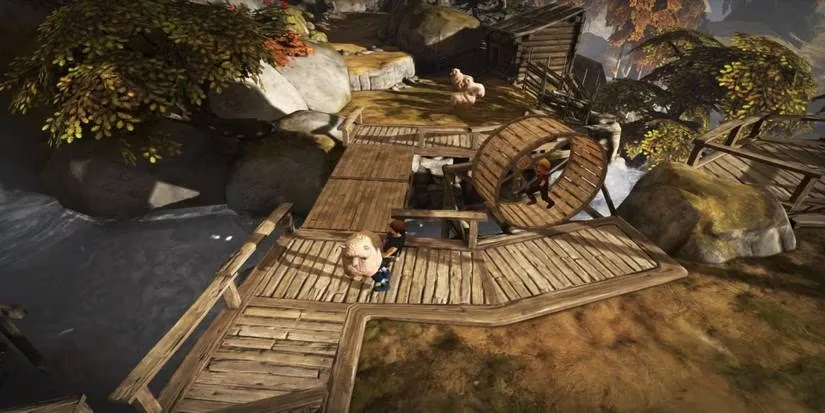
Josef Fares's Brothers: A Tale of Two Sons tells a powerful story of sibling bonds through its control scheme. Controlling both brothers simultaneously with two thumbsticks isn't just a neat gimmick; it builds a physical connection between the player and the characters. The game's most poignant moment—a moment of profound grief and newfound strength—is communicated not with words, but by requiring the player to perform an action with the controller that they had only ever associated with the now-absent brother. It's a narrative punch delivered purely through gameplay that leaves players emotionally wrecked. Talk about hitting you right in the feels. 😢
For mystery fans, Return of the Obra Dinn is a pure, unadulterated brain-teaser where the gameplay is the investigation. As an insurance adjuster, you use a magical pocket watch to witness frozen moments of crew members' deaths. The joy of the game comes from the 'Eureka!' moments of deduction, where piecing together clues from these vignettes—a accent heard, a uniform glimpsed—lets you fill out your ledger. The trial-and-error isn't frustrating; it's the authentic process of a detective building a case. The story unfolds entirely through your own deductive efforts, making you the hero of the narrative.
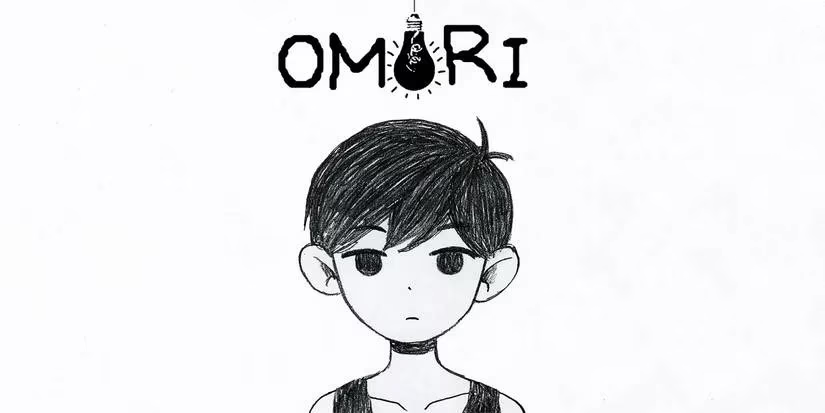
The psychological horror RPG Omori brilliantly uses its gameplay divide to represent trauma and dissociation. The bright, surreal 'Headspace' sections play like a traditional turn-based RPG, a safe fantasy world. The stark, first-person 'Real World' segments, however, are tense and minimalist. This gameplay contrast visually reinforces the protagonist Sunny's mental state. Even small details, like the way certain mechanics or items function differently between the two worlds, slowly clue the player into the suppressed truth. It's a narrative about memory and guilt told through the very structure of the game's reality.
Finally, Hades by Supergiant Games cracked the code on making a roguelike's repetitive cycle feel narratively meaningful. Each escape attempt from the Underworld, whether successful or not, advances the story. Dying and returning to the House of Hades isn't a failure; it's an opportunity for new dialogue, character development, and plot revelations. The gameplay loop of gathering Boons from the Olympian gods is seamlessly tied to the story of familial conflict and reconciliation. This design ensures the narrative and the addictive 'one more run' gameplay fuel each other perfectly. Its sequel, Hades II, has continued this legacy, proving this wasn't just a one-off fluke.
In 2026, the bar for interactive storytelling is higher than ever. Players are looking for more than just movies they occasionally press buttons during. They want experiences where their actions have narrative weight, where the 'game' part and the 'story' part are inseparable. The titles listed here are prime examples of that philosophy in action. They remind us that sometimes, the most powerful stories aren't shown or told—they're played. 🎮✨
Leave a Comment