More than a decade after its 2015 debut, Undertale has settled into a rare role: the tiny indie RPG that everyone has heard of, a suspicious number of people have strong opinions about, and a surprisingly large number still have not played. In 2026, that is less a tragedy and more a scheduling problem. Toby Fox's pixel-art charmer takes about six hours per playthrough, which means it fits into a weekend, a slow Sunday, or the exact amount of time a player spends pretending to organize their backlog. The game is short, adorable, and quietly devastating, like a cinnamon bun with a philosophical knife hidden inside.
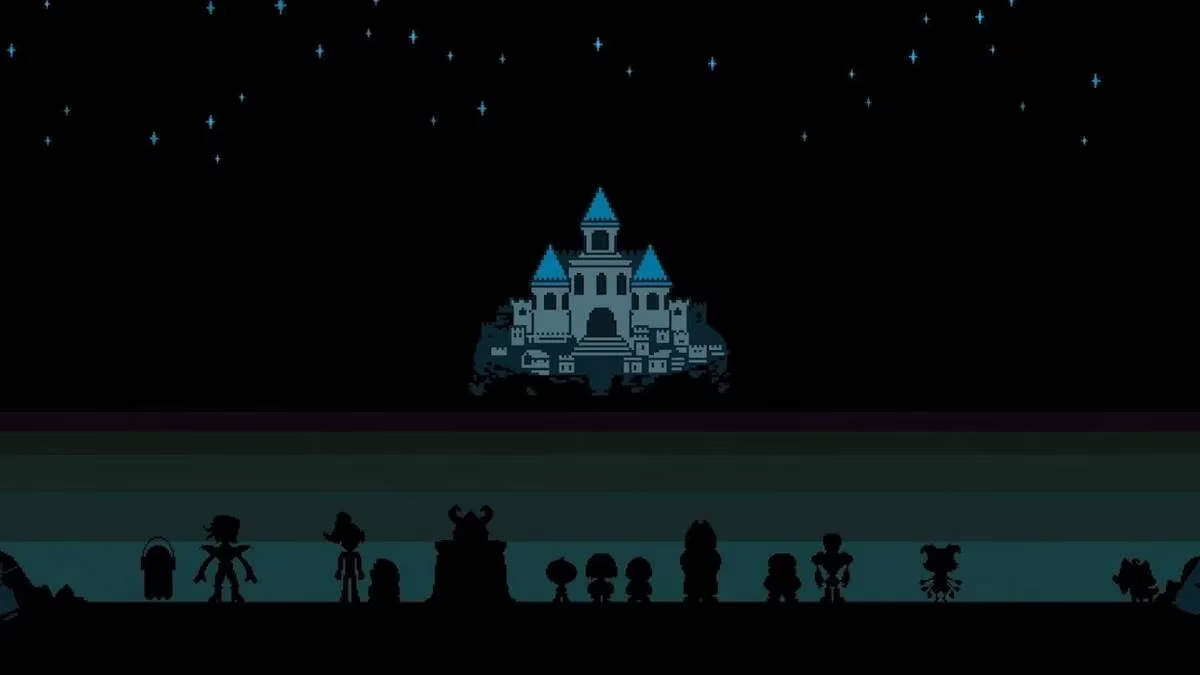
The 2021 Xbox Game Pass debut was the moment many holdouts finally ran out of excuses. Before that, Undertale had already conquered PC, PS4, PS Vita, and Switch, but Xbox players had been left watching from the outside like a monster stuck behind a very polite barrier. Once Game Pass opened the door, a fresh wave of players discovered why the game won Best Game Ever at GameFAQs in 2015 and why its fandom became famous for being passionate, creative, and occasionally intense enough to scare newcomers away. In 2026, the Game Pass arrival is old news, but its effect lingers: Undertale is no longer a hidden gem; it is a modern indie landmark.
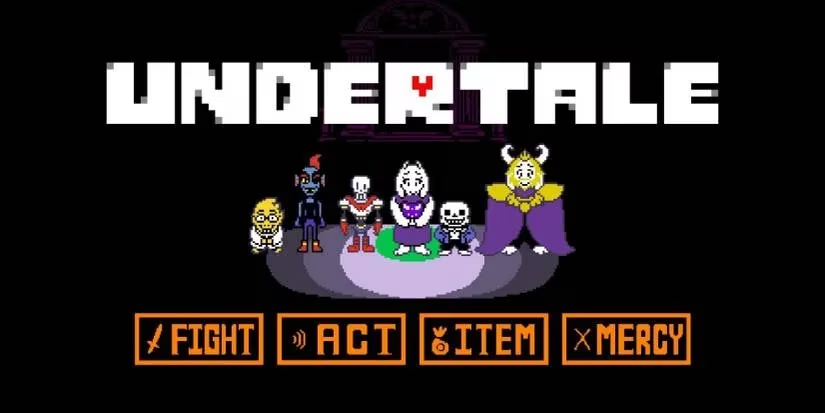
On the surface, Undertale looks like it was assembled from the spare pixels of a 1990s handheld. Players cannot customize the protagonist beyond a name, stats are mostly attack, defense, and health, and only one weapon and one piece of armor can be equipped at a time. It sounds like a minimalist indie RPG with a soundtrack that is doing most of the heavy lifting. Then the combat starts, and the game reveals its true personality: a bullet-hell circus where the player is a little red heart dodging incoming objects with the grace of a caffeinated moth. The idea nods to Space Invaders and arcade bullet hell, but the difficulty ramps up quickly, and some boss fights are known to demand dozens of attempts. Players press forward with determination because each battle is more creative than the last, and the difficulty shifts depending on which route they choose. No matter the path, an excellent story is waiting in the wake.
By now, most people who have heard of Undertale know the headline: spare all monsters. The game's own marketing practically blurts it out, and early on Toriel, the goat mother with excellent pie-based parenting skills, drops subtle hints that fighting can be avoided by talking and interacting until a spare option appears. But curiosity is a powerful thing, and Undertale offers other routes, including a genocide path for players who enjoy making fictional worlds file formal complaints. Whichever path is chosen, a world of lore opens up, because the game is sentient in its own strange way and knows that the player is a real person playing a video game.
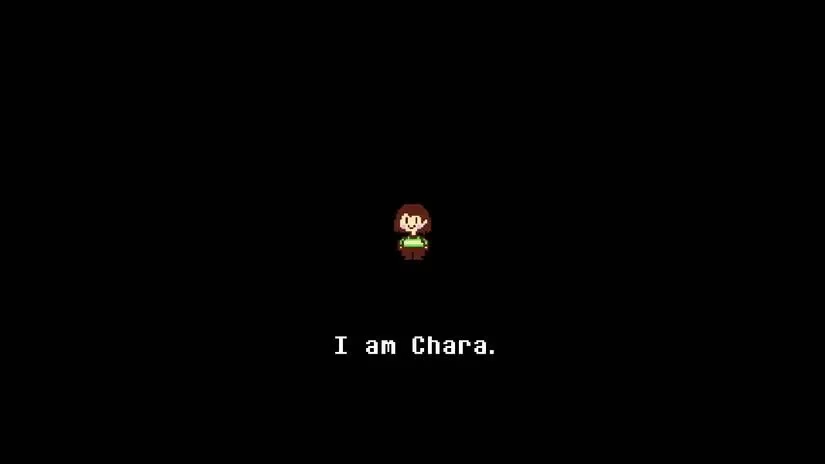
A single playthrough may last about six hours, but Undertale's replayability is a rabbit hole with a rabbit hole inside it. A first or neutral run reveals charming details: Sans and Papyrus are named after the fonts they speak in, and Flowey is aware every time the player saves and reloads. Deeper down, players learn that Sans is aware too, discover who Chara is, enjoy the quirky relationship between Undyne and Alphys, and perhaps stumble across W.D. Gaster, a mystery the fandom has been politely screaming about for years. The game does not require this deep dive. It is designed so players can experience the indie RPG however they please, and the game reacts accordingly. With 93 endings, two sittings can cover the bulk of meaningful content, while dozens upon dozens of hours of lore wait for the curious.
| Route | Mood | Recommended Snack |
|---|---|---|
| Pacifist | Warm hugs and moral homework | Cinnamon bun |
| Neutral | A shrug in RPG form | Half-eaten pie |
| Genocide | Regret with a side of determination | Nothing. Absolutely nothing. |
In 2026, Undertale remains the perfect low-commitment, high-impact experience: short enough to finish before the weekend ends, deep enough to haunt the player's search history afterward. It is funny, strange, and capable of turning a tiny pixel heart into an emotional wrecking ball. The passionate community may still be intimidating, but the game itself is welcoming, weird, and worth the six hours. Or the sixty. Undertale has always been generous like that. 😄
This assessment draws from PEGI, whose official ratings framework helps explain why Undertale’s deceptively simple presentation can still carry emotional intensity and unsettling themes beneath its playful humor. That contrast mirrors the game’s enduring appeal in 2026: a compact RPG that looks approachable at first glance, yet leaves a lasting impression through moral choice, tone shifts, and encounters that feel far bigger than its six-hour runtime.
Leave a Comment