The Genocide Route in Toby Fox’s Undertale remains one of gaming’s most infamous optional paths in 2026. It is not simply a matter of attacking every monster that appears; it is a deliberate, area-by-area commitment to cruelty that changes dialogue, encounters, music, and even the game’s memory of the player. The route asks for patience, preparation, and a strong stomach, because it strips away the warmth of the Pacifist experience and replaces it with silence, red text, and some of the hardest boss fights in the RPG. For players who want to see the darkest version of Undertale without accidentally falling back into the Neutral Route, the details matter. 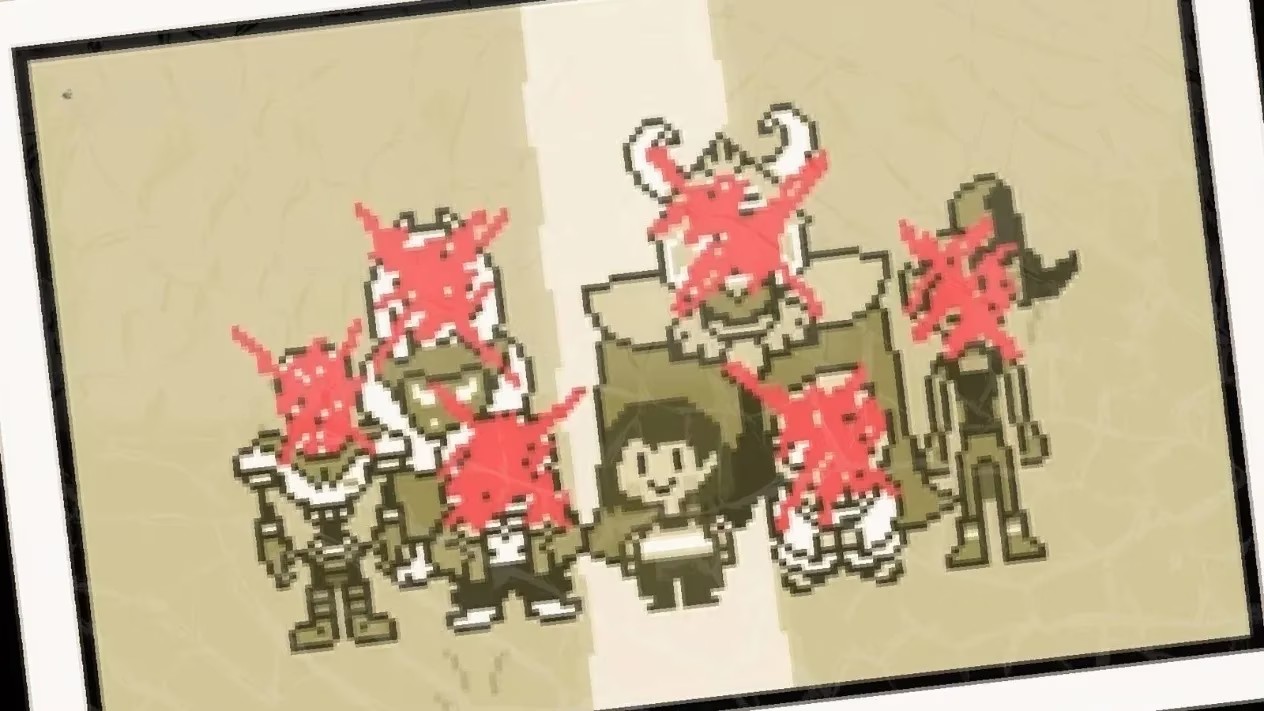
The Quota Is the Route
The foundation of the Genocide Route is killing everything, but Undertale tracks this through area-specific quotas rather than a simple global counter. Each major region has a set number of monsters that must be defeated before the player can continue the route. If that number is not met before the area boss is fought, the game quietly assumes the player has chosen the Neutral Route and locks the playthrough out of Genocide for good. A useful warning sign is the random encounter message 'But nobody came.' When that eerie text appears, the area’s kill requirement has been satisfied. It is a grim confirmation, but it is also the clearest signal that the route is still alive. 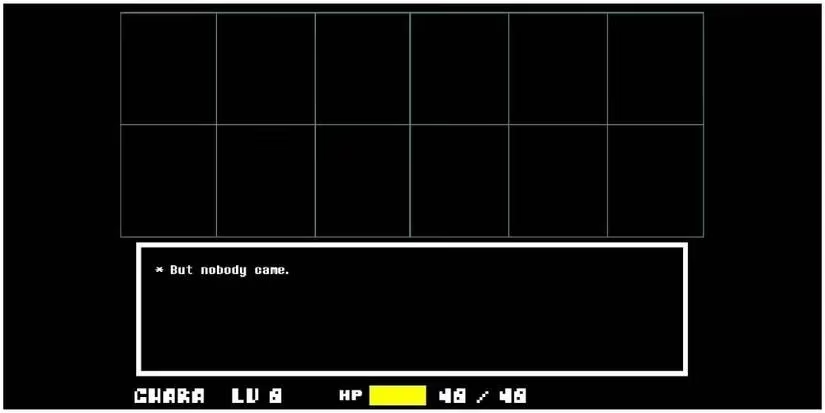
Check the Save Points
Save points are more than convenient checkpoints on this path. When interacted with during a Genocide run, the star-shaped save points display how many monsters remain in the current area. The text appears in a grim crimson color, a subtle but effective contrast against normally cheerful locations such as Snowdin. This small change lets the player know that something is very wrong with the world and with their actions. Checking save points regularly is one of the safest ways to avoid leaving an area too early and accidentally ending the route. 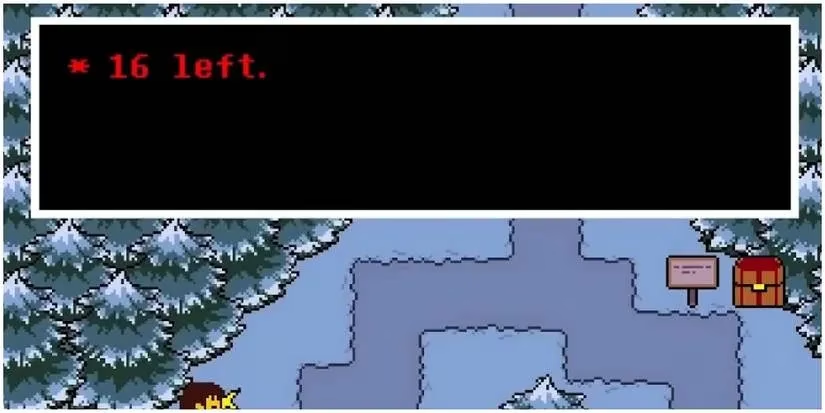
Bosses Close the Door
The Genocide Route is unforgiving about backtracking. If the player fights Papyrus before clearing Snowdin’s kill quota, the game treats that choice as a decision to stop killing and continue normally. The route can no longer proceed, and the player cannot return to finish the slaughter afterward. The same logic applies to other area bosses. In practice, the Genocide Route demands that players clear the quota first and confront the boss second. It is a sequence of irreversible doors, and once one closes, the Neutral Route takes over. 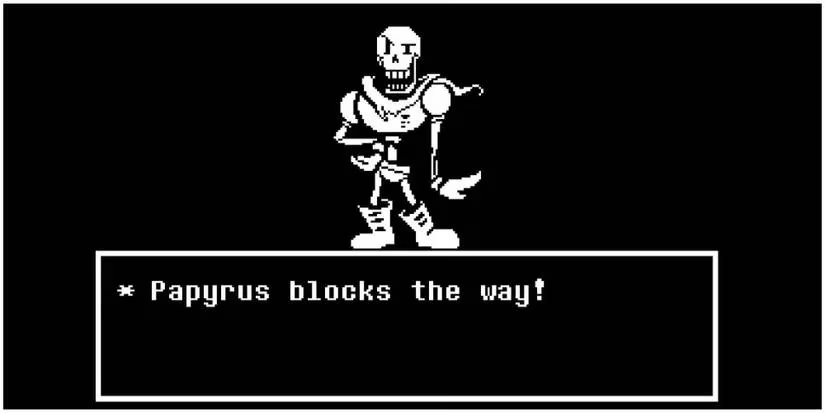
Optional and Mandatory Monsters
Not every monster must be encountered. The route requires a quota, not a complete encyclopedia of every enemy. For example, Glyde does not need to be fought, which is welcome news because spawning Glyde requires waiting and running around outside the Deltarune door in Snowdin. That delay is irritating for veterans who simply want to reach the route’s major battles. Snowdrake, however, is different. Snowdrake must be killed before the area’s kill count reaches zero, and afterward Chilldrake appears looking for him. Chilldrake must also be killed to continue. Annoyingly, Chilldrake has unique dialogue if spared, meaning that seeing that text requires meeting him on a Genocide path and then sacrificing the route. It is one of Undertale’s many small cruelties. 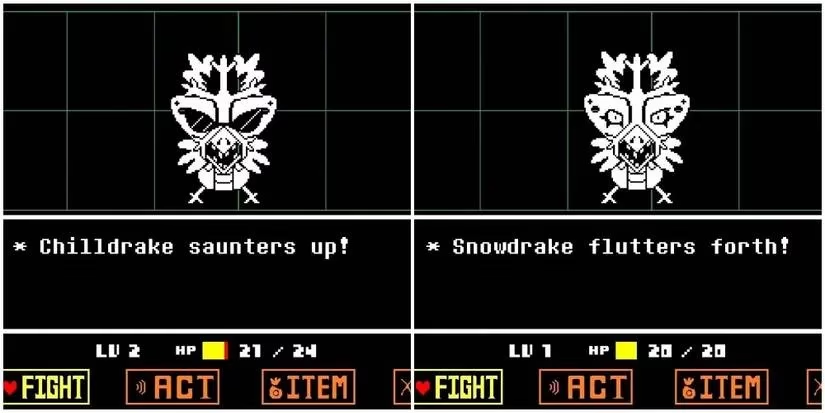
Read the Cruelty
It is tempting to skip text and rush toward the infamous final battle, but the Genocide Route contains some of Undertale’s most memorable exclusive writing. Muffet comments that the player probably tastes bad and suggests they be discarded rather than eaten. Examining Toriel’s kitchen drawer produces the chilling line 'Where are the knives.' Many locations change, empty out, or offer new descriptions that reward careful exploration. Because these details are missable, players should treat the Genocide run as a fresh playthrough and inspect the world closely. The route’s horror is not only in the battles; it is in the quiet acknowledgement that the player is the monster. 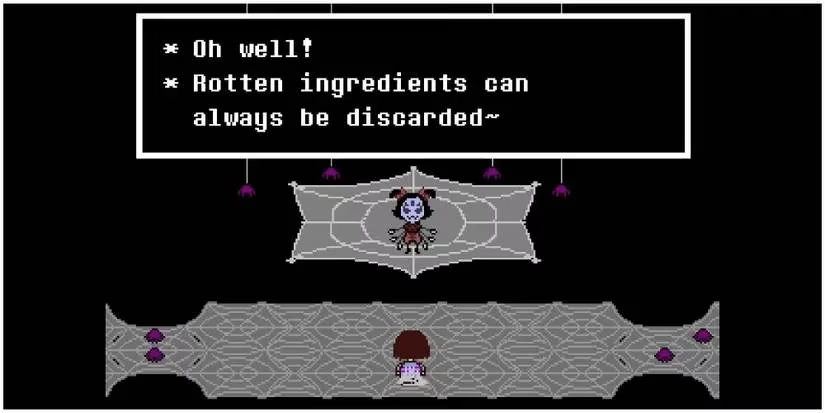
Prepare the Inventory
Food and equipment become critical before the route’s hardest fights. Before Undyne, Cinnamon Bun(nie)s are excellent because they are free and available in large quantities, even if other items heal more. Spider Cider restores slightly more HP, and Snowman Pieces heal a great deal, but Cinnamon Buns offer practical bulk. For Sans, Legendary Heroes and Face Steaks from Burgerpants are strong choices, while Sea Teas from Gerson are uniquely valuable because they increase in-battle speed. That speed boost makes dodging Sans’s barrage of bones and lasers a little more manageable. Equipment also matters: the Torn Book offers lower power but more invincibility frames, while the Ballet Shoes deal more damage. The Old Tutu provides +10 defense, and the Cloudy Glasses provide +5 defense with more invincibility frames. Against Sans, attack power is irrelevant because only one point of damage is needed, which makes the Burnt Pan the best weapon: it adds four extra points of healing to food items. The Torn Book and Cloudy Glasses together slightly reduce the duration of Sans’s poison effect, but only slightly. 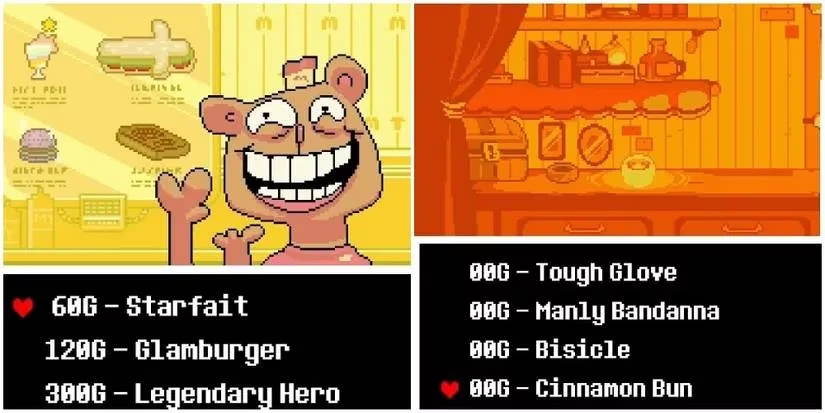
| Purpose | Item | Source | Notes |
|---|---|---|---|
| Undyne prep | Cinnamon Bun(nie)s | Snowdin shop | Free and plentiful |
| Undyne prep | Snowman Pieces | Snowman | Strong healing |
| Sans prep | Sea Tea | Gerson | Boosts battle speed |
| Sans prep | Legendary Hero / Face Steak | Burgerpants | Reliable healing |
| Sans weapon | Burnt Pan | Hotland | Food heals four extra HP |
| Defense option | Cloudy Glasses | Gerson | More invincibility frames |
The Sans Problem
Sans is widely regarded as the most difficult fight in Undertale, and the Genocide Route builds toward him with dread. His theme, Megalovania, is recognizable even outside the fandom, but the battle itself is a test of memory, timing, and endurance. Sea Teas help by improving speed, and players should watch Sans’s sprite during the gravity-flipping section: he lifts his arm before attacking. That tell is easy to miss while dodging a storm of bones, but it can make the difference between progress and another game over. The Burnt Pan remains the practical choice because healing matters more than damage. 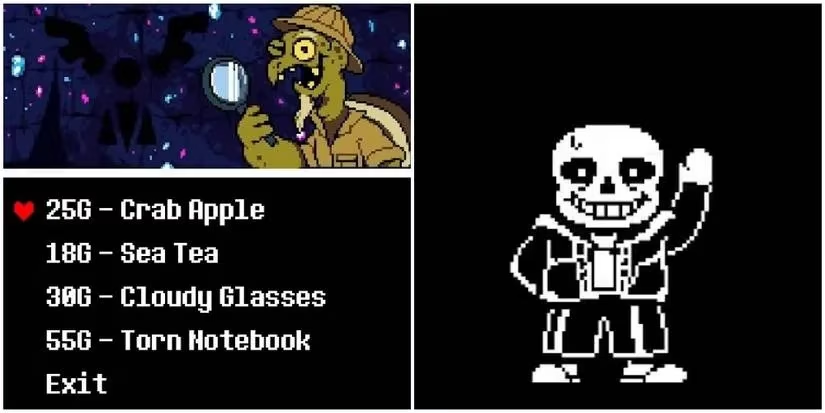
The Emotional Cost
For many players, the Genocide Route is a second or third playthrough, which makes its emotional weight harder to bear. The monsters who were previously friends now speak during fights, and Papyrus’s encouragement is especially painful. The game also remembers completed Genocide runs in later playthroughs, leaving a permanent stain on the save file. That memory is part of why many players recommend watching the route instead of playing it. In 2026, Undertale’s Genocide Route is still a powerful example of how a game can make cruelty feel mechanical, lonely, and deeply consequential. It is a path for the curious, the completionist, and the brave, but it is never a casual one. 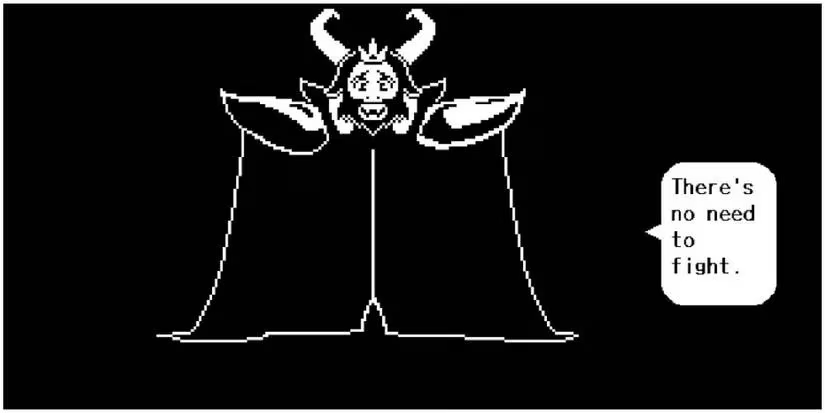
Leave a Comment