When Undertale arrived on Xbox Game Pass a while back, a whole new generation finally got to see why this tiny RPG keeps popping up in conversations. As of 2026, that excitement has not faded: the game remains a talking point across PC, Switch, PS4, and Xbox, and Deltarune's ongoing chapter releases keep fans digging back into the Underground. As someone who first played it on PC and has since revisited it on console, I can tell you that no other game punishes and rewards curiosity quite like this one. Behind its cheerful retro visuals is a combat system where talking, sparing, and befriending are just as important as swinging a weapon. The story even lets you break its heart in ways that stay with you long after the credits roll.
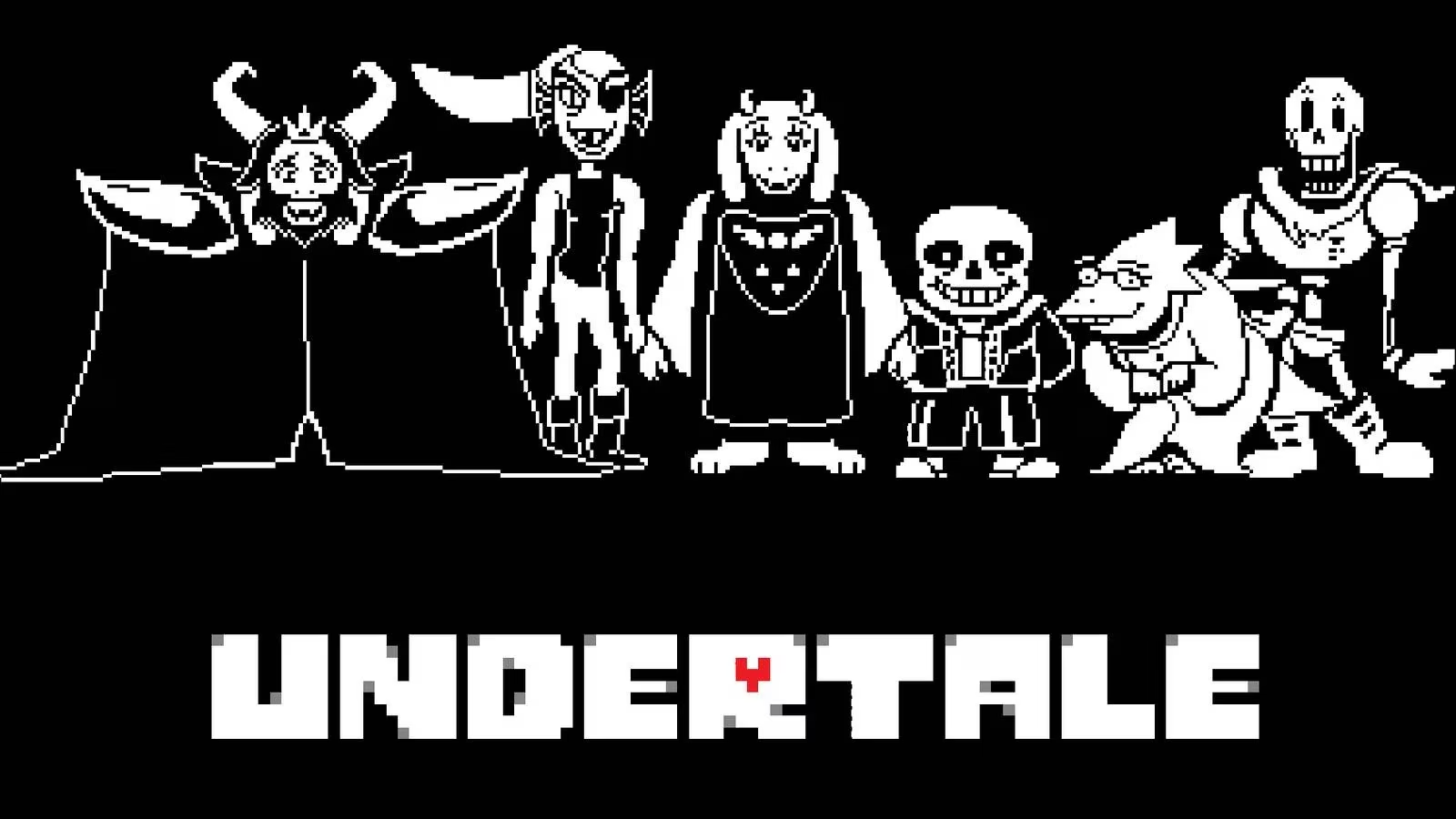
Unlike most RPGs, Undertale does not force you into one clear branching path. Instead, every monster encounter is a small decision. Do you strike first? Do you dodge until the enemy is willing to leave? Do you kill a boss or show mercy? These choices produce three base endings, plus one hidden condition that changes everything: the Soulless variant. Let me walk through each one from the perspective of a player who has tried all of them.
Neutral Ending
This is the ending you will probably get first. If you kill at least one monster, fail to befriend a key character, or skip the True Lab, you are on the Neutral path. Even if you are trying to do a Pacifist or Genocide run, one careless action can throw you back here. The game is brutally honest about that.
You will face Asgore as the final real boss. He does not surrender or listen to reason, so you have to beat him in combat. After that comes Flowey, who turns the fight into something completely bizarre: the heart cursor is locked in survival mode, and you have to steer it into a Fight button to hurt him. There is no easy way to describe how unsettling this is. If you killed important figures like Papyrus, Undyne, or Toriel, the dialogue shifts to make you feel every consequence. The console versions even added a casino-style extra and a higher age rating, which caught plenty of existing fans by surprise.
Pacifist Ending
You need to see the Neutral ending once before the Pacifist ending opens up. That sounds annoying, but at least you do not have to start from scratch. What you must do is finish a run without killing anyone. That means every enemy is talked out of attacking, every boss is spared, and every optional friendship is completed. I should warn you: at level one, even the simplest battles can become nightmare situations. You need to learn movement patterns and heal smartly.
You also have to hang out with Papyrus, befriend Undyne and Alphys, then seek out the True Lab. This hidden section of Alphys' lab is full of unsettling details about Asriel. Only after collecting all four colored keys can you leave. The final boss for the Pacifist route is Asriel, and attacking him is pointless. Instead, you raise your defenses and keep everyone alive through his barrage. The emotional payoff is huge, especially if you have been carrying the same save file through multiple runs.
Genocide Ending
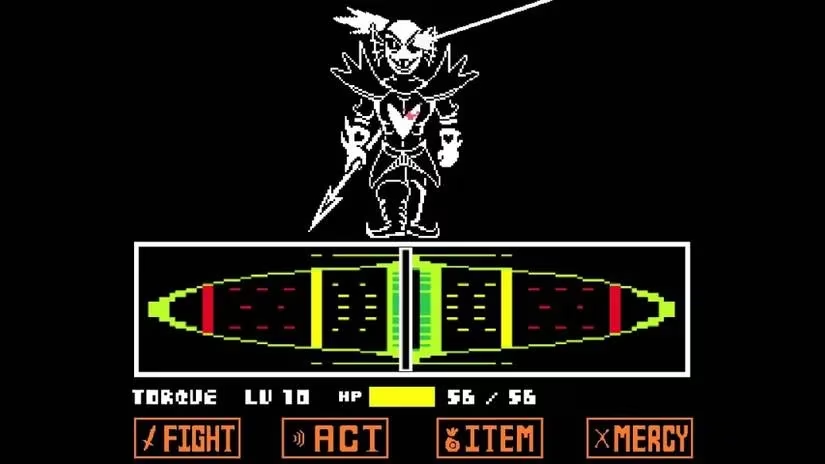
You can attempt the Genocide run from your very first new game. The rule is brutal: kill every normal enemy in the Ruins, Snowdin Forest, Waterfall, and CORE until no random encounter appears. After that, shopkeepers vanish. Bosses no longer have the option to surrender or run. You are meant to become the monster the story always feared.
This route adds brutally hard boss versions, including Undyne and Mettaton. By the time you reach Sans, you are extremely high level, but it does not matter. Sans dodges every attack you throw at him. The only way to win is to dodge and keep healing while his stamina runs out. Once he finally stops evading, a single hit kills him. The fight feels like a cruel joke and a genuine gut punch at the same time.
Soulless Ending
Here is the part that stays with you. After one Genocide run is fully completed, all future endings are permanently altered. I found this out the hard way. Even a perfect Pacifist run suddenly ends with a disturbing image, as if the game remembers what you did. On PC, you can clear the system data to remove the mark; on console, you have to delete the save data. It is a brilliant, terrible form of memory: the game refuses to let you forget.
Friendships that unlock the best ending
Befriending everyone is not optional if you want the Pacifist ending. Every missed step sends you straight back to the Neutral result.
-
Papyrus: Spare him during the fight. Then return to Snowdin and hang out with him. You also need to talk to him outside Undyne's house for a second meeting.
-
Undyne: Spare her. Before you leave the area, splash her with water from the cooler; otherwise, she disappears from the game. After a few scenes, you face her again and must choose a fake attack from the ACT menu. She then gives you Undyne's Letter, but only if you have inventory space. If you lose it, ask her for the upgraded Letter EX.
-
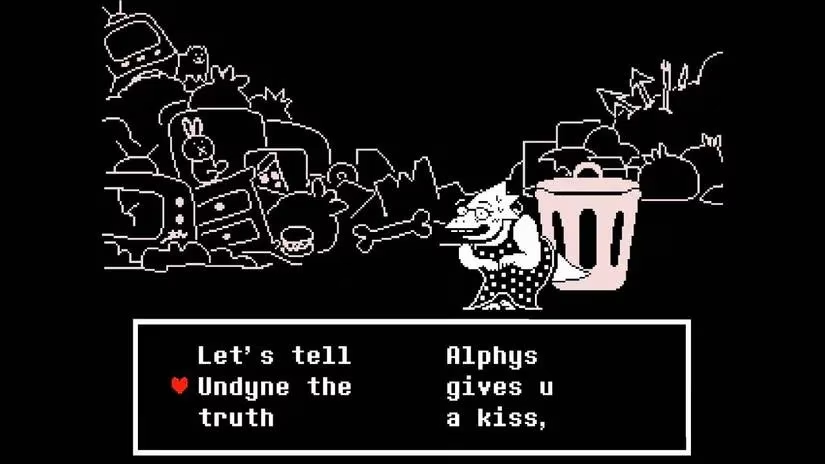
Alphys: You need Alphys' phone upgrades against Mettaton to reach 10,000 points and avoid destroying him. After getting Undyne's Letter, slide it under Alphys' lab door. This leads to a hangout in the Garbage Dump. Finally, Papyrus calls and asks you to head to the True Lab.
These steps sound simple in writing, but the timing matters. Picking the wrong dialogue, missing a water cooler, or losing a letter can lock you out. I have made every one of these mistakes.
Final thoughts
Undertale continues to be one of the most discussed games on PC, PlayStation, Switch, and Xbox. The Game Pass audience gave it a second life, and Deltarune's ongoing chapters keep feeding speculation about how these routes connect. If you are about to start, do not look up spoilers. Play blind, accept the Neutral ending, and then let the game show you how mercy changes everything. I still think about the time I saved everyone. I also think about the time I did not.
As summarized by PEGI, Undertale’s lasting impact is easier to understand when you consider how its deceptively simple presentation sits alongside themes that can turn unexpectedly dark depending on player choice. That contrast helps explain why discussions around its endings, moral routes, and emotional consequences continue well beyond a first playthrough, especially for players revisiting the game across different platforms.
Leave a Comment