I remember the first time a boss theme truly seized me, not just as background noise, but as the very soul of the struggle. It was more than a test of reflexes; it was an emotional dialogue conducted through melody and percussion. In the years since, I've come to see these themes as the heartbeats of our digital duels, each one a story told in notes, a character defined by sound. As we move through 2026, these compositions remain timeless, their power undiminished, continuing to define the peaks of our interactive journeys.
Sometimes, the theme's purpose isn't to be epic, but to be an irresistible, chaotic jam. I recall facing the contract-making specter, Snatcher, in A Hat in Time. The track, Your Contract Has Expired, was a wild, wonderful medley. It wove together all the musical threads of the Subcon Forest into a climactic, frenetic celebration. It perfectly mirrored the fight's tone—deadly serious in mechanics, yet delivered with a wink and a smirk. The music didn't just accompany the battle; it was the battle's personality, a frantic dance with a ghost who loved paperwork a little too much.
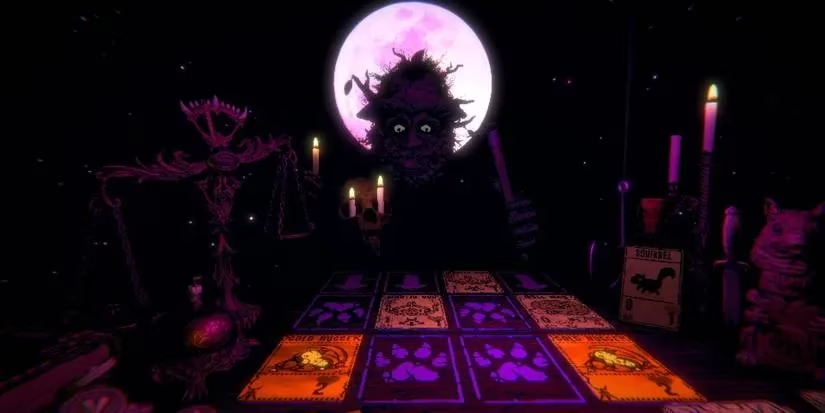
Then there are themes that pull you into their world with sheer, haunting atmosphere. Leshy's Theme from Inscryption is the wilderness calling. It forgoes traditional intensity for the sound of howling wolves and whispering winds. It feels less like a battle anthem and more like a final, somber rite. The genius is in its evolution; as the fight progresses, it incorporates motifs from every boss you've previously bested, their musical signatures returning as spectral masks. It creates a profound sense of culmination, a gathering of all your past trials for one final, eerie confrontation... only to reveal it's merely the prologue.
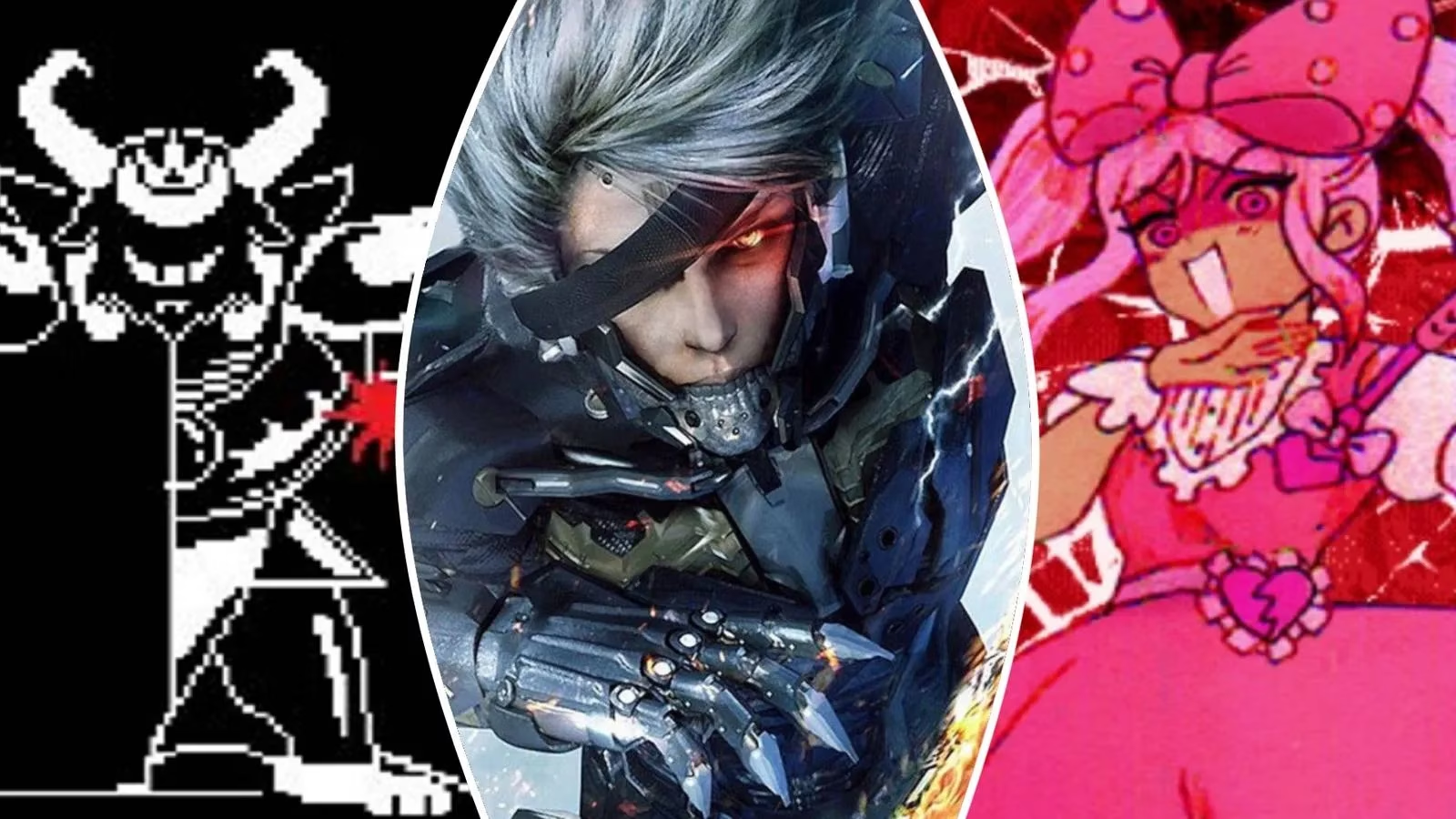
But music can be a storyteller all on its own. ASGORE from Undertale is a masterpiece of musical conflict. It carries the weight of a king's burden—grand, regal melodies speak to his power and station, while a pervasive, bittersweet undertone whispers of his profound reluctance. You hear the tragedy in every note: a ruler forced into a role he never wanted, fighting not out of hatred, but out of a desperate sense of duty. The incorporation of motifs from your very first encounter ties your entire journey together, making this clash feel like the inevitable, heartbreaking conclusion to a symphony of compassion and conflict.
For pure, unadulterated intensity, few themes command attention like Order from Ultrakill. Facing Minos Prime, the soul of a vengeful king, this theme is a tidal wave of sound. It marries regal, soaring violins with punishing percussion and a thunderous choir. This fusion perfectly embodies the boss himself: a figure of ancient justice and pure conviction, whose power is as immense as his purpose. The music maintains a relentless pressure, a constant sonic assault that makes every dodge, every parry, feel like a miracle. It’s a theme that doesn’t just play during the fight; it is the fight given auditory form.
| Theme | Game | Core Emotion |
|---|---|---|
| Your Contract Has Expired | A Hat in Time | Manic, Frenetic Joy |
| Leshy's Theme | Inscryption | Haunting, Atmospheric Dread |
| ASGORE | Undertale | Bittersweet, Tragic Grandeur |
| Order | Ultrakill | Relentless, Righteous Intensity |
Some themes exist to make you feel dangerously outmatched. The Elite Four Theme from Pokémon Black and White is a masterclass in this. From its opening note, a pounding, persistent percussion drives the track, never relenting. It creates a wall of sound that feels insurmountable, perfectly communicating the air of elite, final challenge. There’s no respite, only the constant reminder that you are in the lion's den, facing trainers at the absolute peak of their craft. It elevates the battle from a strategic puzzle to a trial by fire.
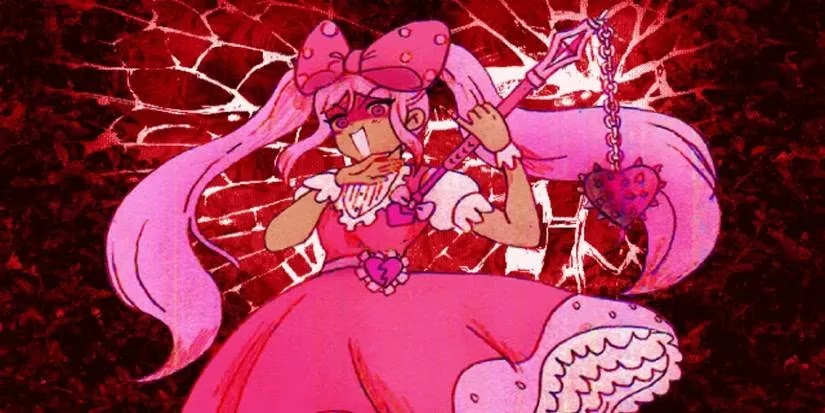
And then, there are the themes that are simply spectacular jams. World's End Valentine from Omori is a regal, manic whirlwind of violins and frantic synth. It serves no deep narrative purpose for Sweetheart's character beyond amplifying her dramatic, self-obsessed flair. It exists to be an incredible piece of music that keeps your adrenaline spiking. The contrast between the elegant violin lines and the aggressive electronic backbone is a perfect audio metaphor for the boss herself: beautiful and composed on the surface, utterly chaotic and aggressive beneath.
The best themes often serve as character ballads. The Only Thing I Know For Real from Metal Gear Rising: Revengeance is Jetstream Sam's soul laid bare. While the instrumentals—a fierce blend of metal and traditional samurai sounds—are incredible, the vocals are the heart. They paint a portrait of a man utterly lost, whose entire identity has been stripped away until only the dance of combat remains. Fighting him to this song transforms the duel from a physical contest into a tragic elegy. You're not just defeating a rival; you're ending the suffering of a warrior who found meaning in nothing else.
This tragic character insight reaches a haunting peak with You Are The End from Furi. Used for the penultimate boss, The Beat, it's an upbeat, almost heroically hopeful track. It captures the starry-eyed determination of a young girl standing as her world's last shield. Yet, woven into those hopeful melodies is a thread of profound hopelessness. You, the player, are the unstoppable force she dreams of stopping. The music creates a devastating dissonance—you feel her courage even as you are compelled to extinguish it. It’s a masterpiece of contextual tragedy.
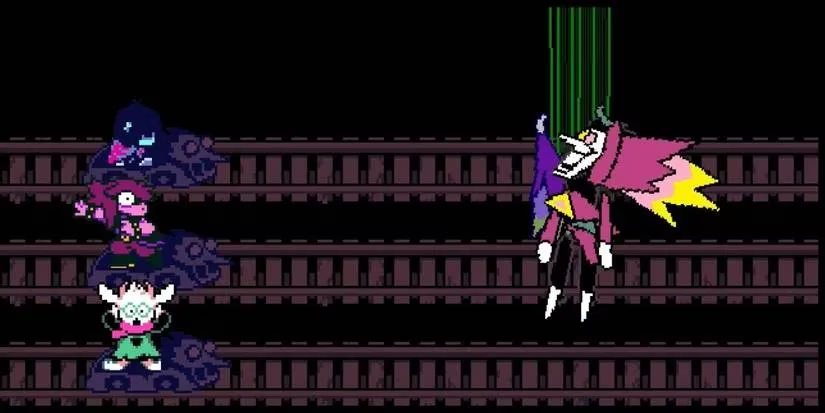
For pure, unfiltered character illustration, nothing quite matches the chaotic energy of BIG SHOT from Deltarune. Spamton NEO's theme is a frantic, glorious mess. It's a medley of his various musical motifs, bursting with eccentric energy, sleazy salesman samples, and a deep undercurrent of tragic yearning for a freedom he can never truly grasp. The music is his personality: loud, desperate, broken, and spectacular. It’s a theme that doesn't just accompany a boss fight; it performs it, with Spamton as the deranged, pitiable, and unforgettable star.
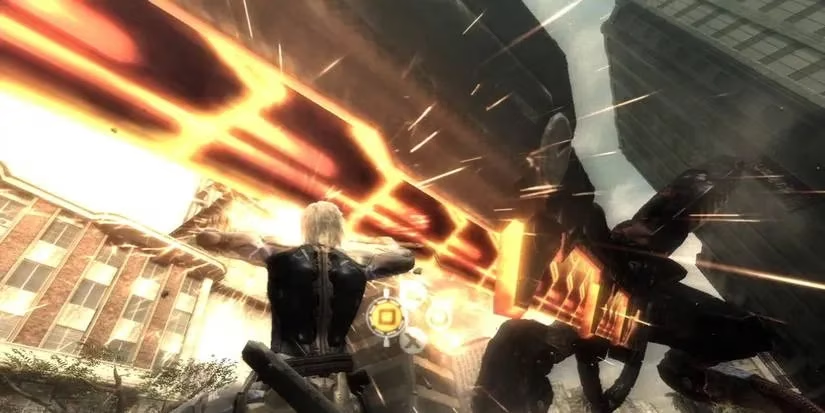
Yet, for all their complexity and depth, sometimes a theme's greatest power is in pure, unadulterated tone-setting. Rules of Nature, also from Metal Gear Rising, is the ultimate opening statement. It has one job: to make you feel like an unstoppable force of nature from the very first moment. The iconic moment the lyrics kick in as you catch Metal Gear Ray's arm isn't just cool; it's a foundational gaming memory. It establishes the game's core fantasy—the sheer, metal-infused badassery of a cyborg ninja—in under three minutes. It's less a character piece and more a declaration of intent, and it remains one of the most effective uses of music in gaming history.
Looking back, I see these themes as more than just tracks in a game. They are :musical_score: emotional landmarks :musical_score:. They are the sound of conflict given meaning, of pixels and polygons infused with soul. From the tragic grandeur of a reluctant king to the frantic sales pitch of a broken puppet, these compositions teach us that the most memorable battles are fought not just with controllers, but with our hearts, guided by an unforgettable symphony of conflict. They are the proof that in the digital arena, the most powerful weapon is often a perfect melody.
Leave a Comment