The Underground in Undertale is a place built on choices. Most players spare, flirt, and stumble toward a pacifist ending, but a darker question lingers beneath every encounter: what if the player killed everyone? That question leads to the Genocide Route, a path with no prerequisites and no easy return. Even in 2026, it remains one of the most discussed paths in indie RPGs. It is the only way to fight Sans, to hear the infamous Megalovania during the game, and to watch the world grow quiet in a way that feels personal. A player who chooses this path does not simply beat Undertale; they methodically empty it. 💀
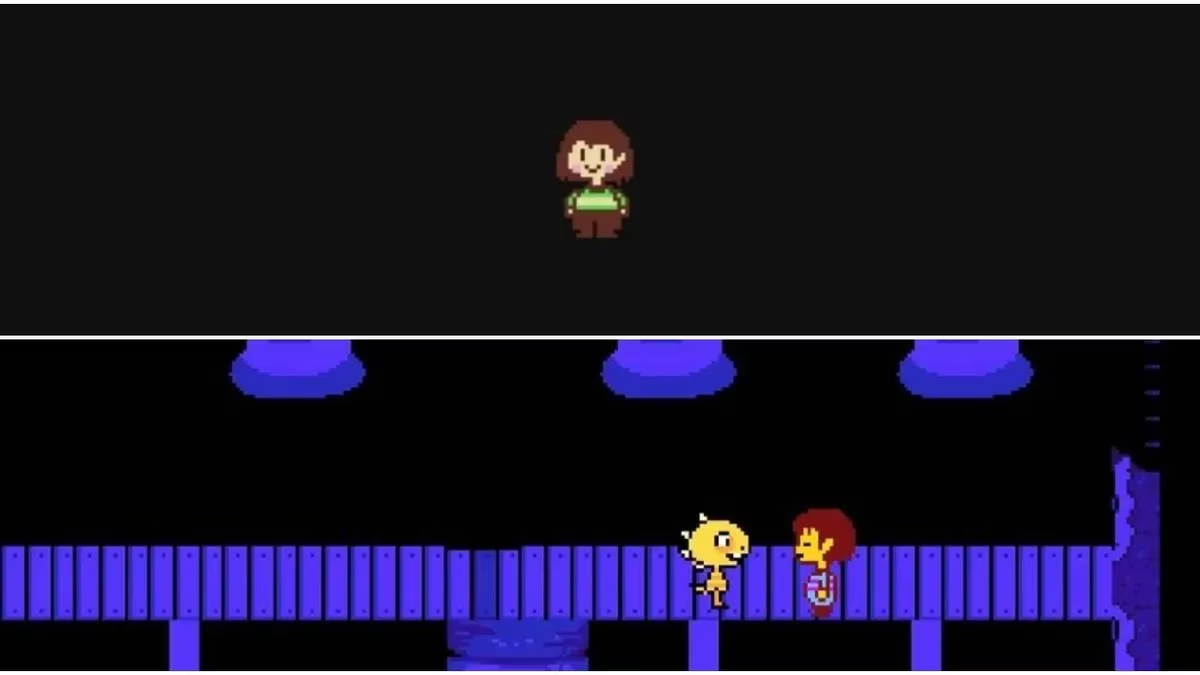
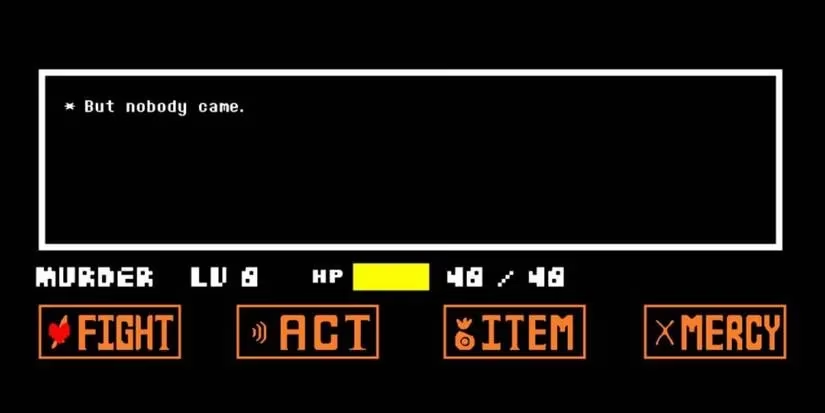
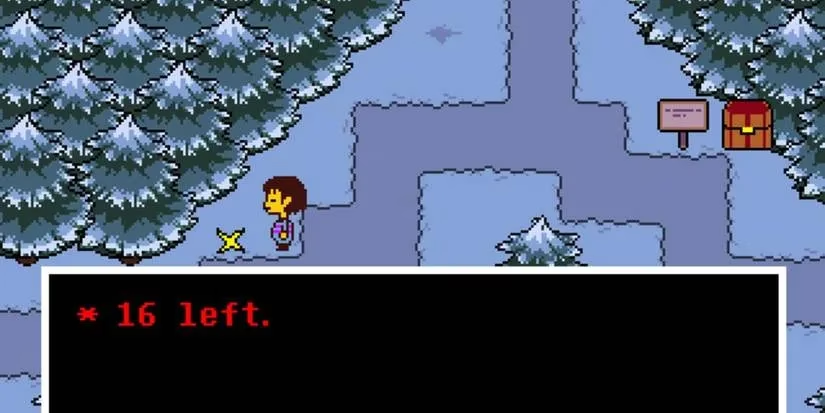
The rules are simple and cruel. In each area, the player must kill a set number of monsters before the final encounter. The game keeps count. Random battles stop, the overworld music drops in pitch and slows, and the encounter screen eventually delivers a sentence that has become infamous: But nobody came. What does it mean to win when the world empties around you? It means the game itself has noticed. Save points stop praising the player's determination and start reporting how many kills remain in the current area. Signs appear only for genocidal players. The Underground becomes a checklist.
| Area | Kills Required | What Changes |
|---|---|---|
| Ruins | 20 | Napstablook vanishes; Froggit and Vegetoid NPCs disappear |
| Snowdin | 16 | NPCs flee; Inn closes; shopkeeper is gone |
| Waterfall | 18 | Encounter icon becomes a smiley; Monster Kid fights |
| Hotland + CORE | 40 | Mettaton NEO; no more random encounters |
| New Home | 0 | No kills; final confrontations |
The kill counters are not the only requirement. Every boss and miniboss must fall too, from Toriel and Papyrus to Undyne the Undying, Muffet, and Mettaton NEO. The route is a full sweep, not a speedrun with skipped fights.
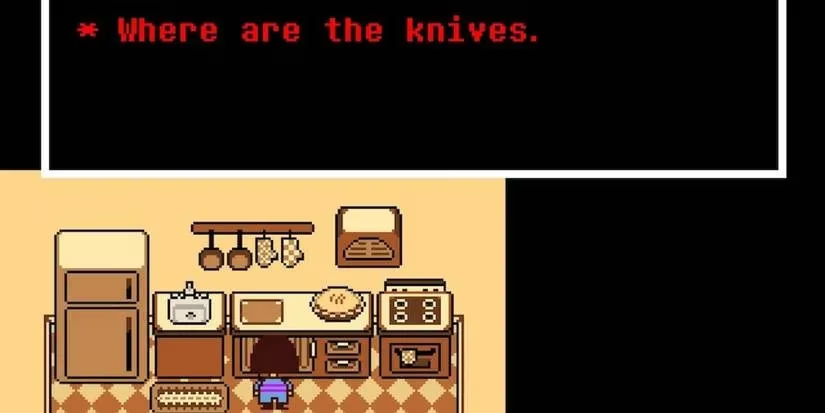
The Ruins set the tone. The player needs 20 kills before facing Toriel. If they drain that counter before meeting Napstablook, the ghost vanishes before a fight can begin. Froggit and Vegetoid stop appearing as NPCs. In Toriel's home, the kitchen cupboard offers a new line: Where are the knives. The mirror says It's me... followed by the player's name, a quiet theft of identity. After Toriel falls, the flavor text says she is Not worth talking to. It is a small sentence, but it lands like a door closing.
Snowdin requires 16 kills, and two of them must be Snowdrake and Lesser Dog before the counter can be satisfied. Once the quota is met, the town evacuates. The Inn no longer accepts guests. A decoy stands where the Innkeeper's child once waited. The Christmas tree in the center says Nothing for you. The shopkeeper is gone, which means the player can steal everything from her store. Even the small comforts become loot. Is that progress, or just vandalism dressed as victory?
Waterfall asks for 18 kills. From this area onward, random encounters show a smiley face above the player's head instead of an exclamation point. Most NPCs are gone, terrified, but Monster Kid, Gerson, and the Temmie Shopkeeper remain. When the kill counter empties, the Welcome to Snowdin Town sign disappears, and an extra save point appears before the bridge. Monster Kid tries to fight the player. Undyne saves them, transforms into Undyne the Undying, and then dies anyway. The game keeps giving the player chances to be seen as a hero, and the player keeps refusing.
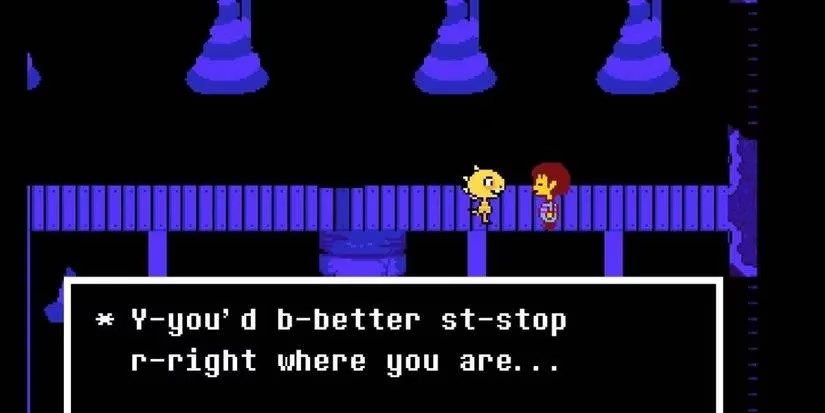
Hotland and the CORE demand 40 kills together. In the Lab, Alphys is nowhere to be found. Mettaton is there, but he flees. Muffet still holds her bake sale, and Burgerpants remains, but the rest of the NPCs are gone. The player can steal everything from Bratty and Catty because they evacuated. Once the counter is drained, Mettaton returns as Mettaton NEO. After his defeat, the player is automatically set to 19 LOVE, and no more random encounters trigger. The world is almost out of witnesses.

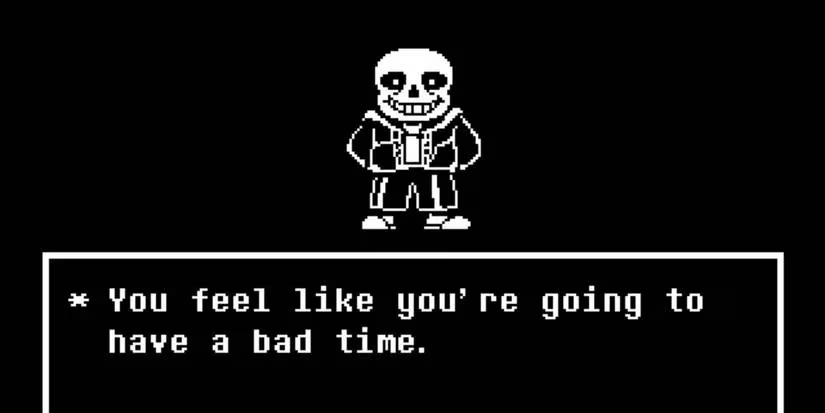
New Home requires no kills. It is the final area, and it is all aftermath. The present box in Asgore's home holds the Real Knife and The Locket instead of the Worn Dagger and Heart Locket. When equipped, their flavor texts read About time and Right where it belongs. Objects around the house have unique descriptions. Instead of learning about Asriel, the player talks to Flowey and learns his story, though even he is afraid of the player now. Before the Throne Room, in the Last Corridor, Sans says the player feels like they are going to have a bad time. Then he fights. Killing him pushes the player to 20 LOVE, but the fight is no joke.
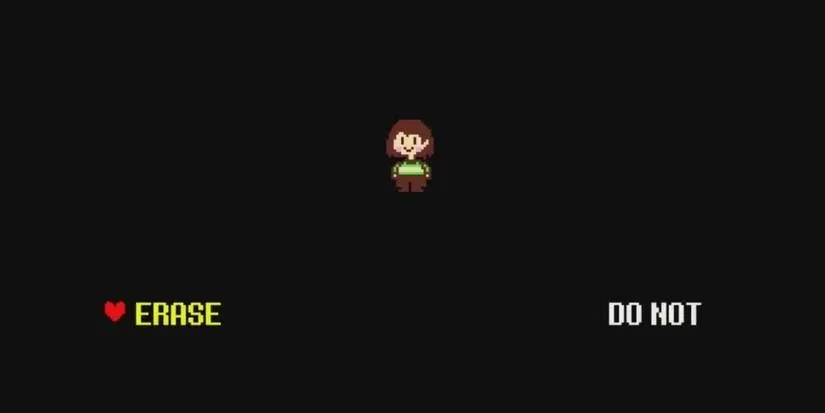
In the Throne Room, Asgore falls in one hit. Flowey is the real threat. He appears, finishes off Asgore, and begs for mercy. This is the last chance to reset without consequences. If the player proceeds, Flowey dies, and Chara appears. The screen goes black. On future boot-ups, wind howls. The player must wait ten minutes before Chara speaks, reminding them that they already ended the world. If the player believes they are above consequences, nothing happens. If not, Chara restores the world in exchange for their SOUL. The game resets and reloads as normal, but nothing is the same. Subsequent True Pacifist and Genocide routes are altered. Can a reset ever erase what the player has done? Undertale answers with a quiet, permanent no.
The Genocide Route is not just a harder difficulty mode. It is a story about a player who treats mercy as an obstacle and curiosity as permission. The game records every choice, every empty town, every stolen item, and every kill counter. It turns the interface against the player: save points become ledgers, music becomes a warning, and silence becomes a character. By the end, the question is not whether the player can beat Undertale. It is whether the player can live with the version of the Underground they left behind.
Leave a Comment